
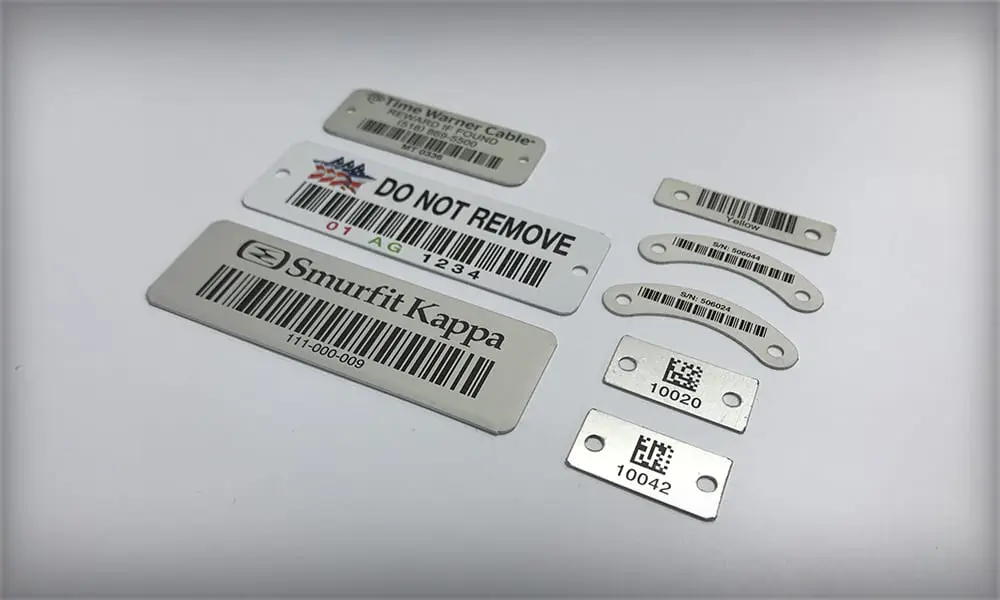
Across industries and design categories, labeling plays an important role in communication, branding, and organization. When durability, style, and precision are non-negotiable, a metal label stands out as the preferred choice. Used in manufacturing, retail, fashion, electronics, and custom branding, metal labels blend form and function in ways that elevate both appearance and reliability. From industrial data plates to elegant custom nameplates, the demand for this labeling solution continues to grow.
Durability and Design in Everyday Use
Metal labels are trusted for one simple reason—they last. Unlike paper, plastic, or fabric labels, a well-made metal label resists wear, corrosion, heat, and harsh weather. This makes it ideal for indoor and outdoor applications, especially in environments where conditions are less than gentle. In factories, warehouses, or marine equipment, labels must remain readable despite exposure to chemicals, moisture, or impact. Metal construction ensures these tags remain intact and legible, even after years of use.
Common materials for metal labels include aluminum, stainless steel, brass, and sometimes zinc or copper. Each material offers unique qualities. Aluminum is lightweight and rust-resistant, making it a favorite for machinery, electronics, and aerospace equipment. Stainless steel, with its sleek appearance and high strength, is popular in industrial environments and luxury product branding. Brass offers a vintage, upscale finish often seen in custom furniture or artisan goods.
Design flexibility is another major advantage. A metal label can be etched, engraved, stamped, or printed with incredible detail, offering a crisp and polished look. Various finishing techniques—from brushed and matte to high gloss or antique—allow businesses and individuals to match their label to their brand identity or technical requirements. With options for adhesive backing, rivet holes, or magnetic attachment, these labels fit seamlessly into a wide variety of applications.
From machinery part identifiers to high-end packaging, the marriage of beauty and toughness has made the metal label more than a utility item. It becomes part of the visual experience, often reinforcing a sense of quality and permanence.
Industrial Applications and Compliance
In the industrial world, accurate and long-lasting labels are critical. A metal label serves not just as identification but as a legal requirement in many sectors. Data plates on machines must include serial numbers, voltage ratings, pressure tolerances, and manufacturer information. Regulatory bodies often require this information to be permanently displayed, and failure to comply can lead to penalties or voided warranties.
Manufacturing plants, oil and gas operations, and heavy machinery depend on labels that won’t fade, melt, or wear off under stress. Laser engraving and chemical etching methods create lettering that cannot be easily scratched off or removed. These techniques embed the information directly into the metal, ensuring it remains legible even under chemical exposure or physical abrasion.
In electrical systems, safety labels inform technicians of voltage hazards or grounding instructions. In construction, metal asset tags track equipment, ensure proper inspections, and help prevent theft. Even in aerospace or military applications, a metal label is relied upon to deliver exact technical data where failure is not an option.
There’s also a growing demand for serialized and barcode-enabled metal labels that integrate with inventory systems or quality control processes. These smart integrations allow real-time data tracking without sacrificing physical resilience. Paired with automation and scanning tools, the humble label becomes a link between physical equipment and digital systems.
Whether it’s a small component or a massive machine, having accurate, permanent labeling is essential to traceability, compliance, and worker safety. The industrial value of a metal label is deeply embedded in how it supports daily operations and long-term asset management.
Aesthetic Impact in Branding and Custom Design
Outside of industrial use, the visual appeal of metal labels has made them a popular choice for businesses and designers looking to leave a lasting impression. When packaging needs to speak of craftsmanship, heritage, or luxury, metal tags offer a tactile experience that paper and plastic simply cannot match. The weight, cool feel, and reflective surface of a metal label communicate durability and sophistication without saying a word.
In the fashion industry, brands often use these labels on bags, shoes, and clothing for decorative branding. The detail possible in embossed or engraved designs allows logos, monograms, and slogans to stand out with clarity. Leather goods, denim jackets, and travel gear all benefit from a metal accent that not only enhances the product’s appearance but also strengthens brand recognition.
Home décor and artisan markets have also embraced custom labeling as a way to make small-batch or handcrafted items look more refined and market-ready. Custom furniture, candles, soaps, and wine bottles often feature a small metal plate or tag to reinforce authenticity or limited-edition value.
Startups and creative businesses can benefit from custom metal branding elements as well. These labels can elevate business cards, signage, packaging, or marketing collateral. The durability ensures that the branding stays intact long after the product has been used or displayed, which can foster repeat customers and word-of-mouth promotion.
Sustainability and Material Lifespan
As environmental awareness becomes increasingly important, metal labels offer a responsible alternative to disposable materials. While metal production requires energy, the long lifespan of these labels often outweighs the environmental cost of repeated replacement. Unlike paper or synthetic materials that degrade or need frequent reapplication, a single metal label can serve its purpose for decades.
Many metals used in labeling—such as aluminum and stainless steel—are recyclable. This means that when a product reaches the end of its life, the label itself doesn’t need to become waste. Recycling programs can repurpose the metal for new uses without degrading the quality of the material.
Additionally, because these labels are so resistant to weather and time, they reduce the need for frequent maintenance or replacement. This has value not just for sustainability, but for cost efficiency. Businesses looking to reduce operational waste can rely on metal labels to withstand multiple environments, transport cycles, and usage conditions without compromising integrity.
Even in signage, durable labeling reduces the frequency of replacement and lowers the overall environmental footprint of an operation. In essence, investing in higher quality labeling materials pays off both in economic and ecological terms.