
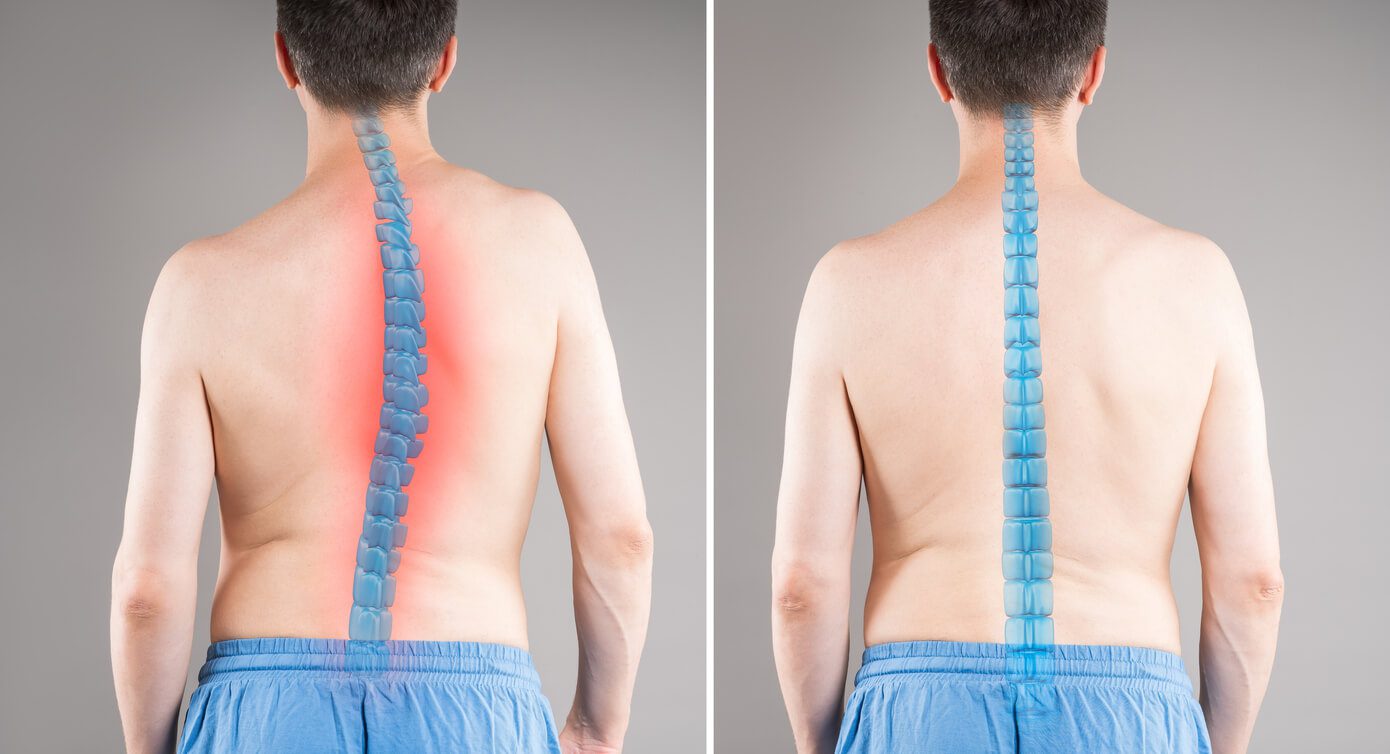
Recovery after spine surgery does not follow the same path for every patient. Dr. Larry Davidson has noted that the procedure is only one part of the picture. Diagnosis, overall health, symptom history, physical condition and responsibilities at home can all influence how recovery unfolds.
Some patients are most concerned about pain control, incision care or medication timing. Others want to know when they can drive, return to work, climb stairs or lift a grandchild. Understanding the factors that shape recovery can help patients ask more specific questions and avoid measuring their progress against someone else’s timeline.
Procedure Type Shapes the Starting Point
A decompression and a fusion place different demands on the body. Decompression is generally used to relieve pressure around a nerve, while fusion joins vertebrae to create greater stability. Those goals influence activity limits, imaging, bracing, therapy and the way healing is monitored.
Early recovery after decompression may center on walking, incision care and changes in nerve symptoms. Fusion often requires added attention to bending, lifting, twisting and bone healing. The expected timeline also depends on the surgical details, the number of levels involved, and the instructions provided by the surgeon.
Recovery Depends on the Condition Being Treated
The reason for surgery plays a major role in how recovery is expected to unfold. A herniated disc pressing on a nerve may produce a different pattern of improvement than spinal stenosis, instability or deformity. The condition being treated also helps determine which changes are monitored most closely after the procedure.
Radiating leg pain may respond differently from long-standing back pain, while numbness, weakness, burning sensations and balance problems can improve at different rates. The pace often depends on how long the nerve was affected and how much function had changed before surgery. Patients can ask which symptoms may improve sooner, which may need more time, and what changes should be reported promptly.
Overall Health Shapes the Pace of Recovery
Age is only one part of the recovery picture. Bone quality, muscle strength, balance, sleep, medication use and existing health conditions can all influence stamina and mobility after surgery. An older adult who was active before the procedure may progress differently from a younger patient managing diabetes, tobacco use or limited physical conditioning.
Medical history also affects planning before surgery and the guidance provided afterward. Diabetes may complicate wound healing, osteoporosis can affect bone strength, and blood-thinning medication may change surgical or recovery instructions. Dr. Larry Davidson has identified these individual health factors as important considerations when setting realistic expectations instead of relying on a single recovery timeline.
Pain Duration Can Change the Early Experience
Pain that has lasted for months or years can change how a person moves long before surgery takes place. A patient might have learned to guard the back, lean to one side, avoid stairs, shorten walking distance, or depend heavily on a stronger leg. After surgery, those habits do not always disappear right away, even when the surgical goal has been met.
This is why early recovery can feel different from one person to the next. The body may need time to relearn safer movement, and the nervous system can remain sensitive while swelling, healing, and activity progression settle. A physical therapist, when cleared by the surgeon, can help patients rebuild confidence with walking, gentle strength work, posture, and daily tasks.
Daily Activity Needs Are Not the Same
Recovery advice sounds different when a patient lives alone, cares for a spouse, works a physically demanding job, or has several stairs at home. A desk worker might ask about sitting tolerance, medication side effects, and commuting. A warehouse worker, nurse, teacher, caregiver, or parent might need a different discussion about lifting, twisting, standing time, driving, and unpredictable movement demands.
Patients should be specific about the tasks they cannot avoid. That includes carrying groceries, helping someone out of a chair, managing pets, doing laundry, getting in and out of a low bed, or walking from a parking lot to work. Practical details give the surgeon, physician, or physical therapist more context for restrictions and gradual activity progression.
Support at Home Can Change the First Weeks
The same procedure can feel very different for someone who has steady help at home compared with someone recovering mostly alone. Transportation to follow-up visits, help with meals, medication reminders, laundry, and keeping walkways clear can reduce the strain of early recovery. Support does not replace medical guidance, but it can make instructions easier to follow.
Patients should plan for the ordinary tasks that become awkward during activity restrictions. Reaching low shelves, lifting a full trash bag, bending to load a dishwasher, or twisting to grab something from the back seat of a car can conflict with written limits. A few changes before surgery, such as moving frequently used items to waist height or arranging rides, can make the first days at home more manageable.
Emotional Patience Is Part of Recovery
Recovery is not just about incision healing and walking distance. Many patients feel frustrated when energy drops quickly, sleep is interrupted, medication causes side effects, or symptoms do not change in a neat order. That frustration is understandable, especially when someone expected each week to feel clearly better than the last.
A calmer expectation is more useful. Progress might show up as a longer walk, fewer questions about medication timing, better comfort in a chair, or more confidence getting dressed without breaking restrictions. Patients and caregivers should track meaningful changes and bring concerns to follow-up visits instead of assuming that every difficult day means the recovery is off course.
Follow-Up Visits Help Personalize the Timeline
Follow-up visits are where general instructions become more specific. The surgeon can check the incision, review pain patterns, assess strength or sensation, consider whether imaging is needed, and decide whether activity limits should stay the same or be adjusted. These visits also give patients a chance to ask about driving, work, physical therapy, medication use, and symptoms that feel new or confusing.
Follow-ups do not create a certain result, and they should not be treated as a formality. They help the surgeon monitor healing and identify issues that need attention. Patients should bring a written list of questions, current medications, symptom changes, and examples of daily activities that still feel difficult.
Making Sense of an Individual Recovery Path
Recovery after spine surgery depends on the procedure, the diagnosis, health history, symptom duration, physical conditioning, home support, and the demands facing the patient after discharge. That is why two people who had similar operations can describe very different timelines. Comparing pain levels, walking distance, or return-to-work timing with another person can create confusion instead of clarity.
The better comparison is between the patient’s current function and the goals set with the surgeon. Dr. Larry Davidson emphasizes the importance of patient education because realistic expectations help people prepare for restrictions, ask more useful questions, and notice which symptoms deserve follow-up. Patients should rely on written instructions and medical guidance rather than another person’s recovery story.