
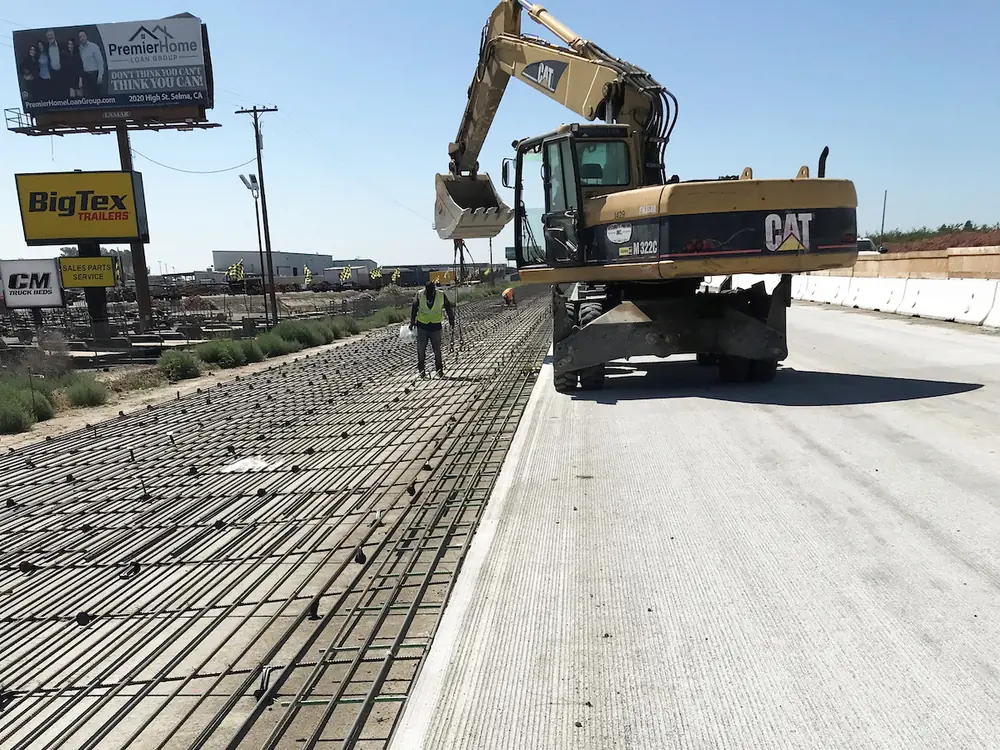
Strong commercial development depends on more than the building itself. Roads, drive lanes, parking lots, access points, grading, drainage, and paved surfaces all influence how a property functions once it is complete. For owners and developers planning commercial spaces, working with experienced California Road Builders can help create safer movement, stronger site performance, and a more organized construction process from the ground up.
Road and pavement work must be planned with the full project in mind. A retail center, medical building, restaurant, carwash facility, industrial property, or tenant improvement site may each require different traffic flow, loading access, ADA compliance, utility coordination, and long term durability. When early site work is handled with precision, the final property can operate more efficiently for customers, staff, tenants, and service vehicles.
Building Access That Supports Daily Use
Practical Movement for Commercial Properties
Commercial roads and paved areas need to support real daily activity. Vehicles must enter, circulate, park, load, and exit without unnecessary congestion. A poorly planned access route can create confusion and slow down operations, while a well-designed site layout can improve safety and convenience.
This is why road building and site development should begin with careful evaluation. Contractors must consider soil conditions, grading, stormwater movement, concrete work, asphalt paving, curbs, ramps, striping, and surrounding structures. These details work together to create paved areas that are functional, durable, and aligned with the needs of the property.
Site Work That Creates a Strong Foundation
Preparing the Ground for Better Results
Before pavement is installed, the site must be prepared correctly. Excavation, compaction, grading, base material, drainage planning, and site concrete all affect the finished result. If the base is not properly prepared, paved surfaces may be more likely to experience premature wear, settling, or drainage problems.
Commercial site work also requires coordination with other construction phases. Utility trenches, structural concrete, building pads, sidewalks, ADA access, and parking layouts may all connect to the road and paving plan. Experienced California Road Builders understand that roads and paved surfaces are not separate from the project. They are part of the larger commercial environment.
Asphalt, Concrete, and Long Term Performance
Durability That Matches the Project
Asphalt paving, seal coating, pavement marking, curbs, sidewalks, ADA ramps, and site concrete each play a role in the way a property performs. For high-traffic commercial spaces, these elements must be designed and installed with durability in mind. A carwash drive lane may require strong drainage and traffic flow. A medical facility may require clear access and compliant parking. A retail center may need organized circulation and visible pavement markings.
A quality road building approach also considers future maintenance. Durable materials, proper slopes, clear striping, and thoughtful traffic patterns can help reduce problems over time while improving the experience for visitors and tenants.
Coordination, Safety, and Compliance
Managing the Details That Matter
Road building in California often involves city requirements, inspections, accessibility standards, environmental considerations, and jobsite safety practices. Proper planning helps keep the work aligned with local expectations while supporting a cleaner and more controlled construction process.
Creating Commercial Sites That Work Better
The best road and site work supports both construction progress and long term property use. When access, paving, grading, drainage, and safety are coordinated early, the finished development can feel more organized and dependable.
For commercial owners and developers, road building is not only about creating a surface to drive on. It is about building a reliable foundation for business activity, customer movement, tenant operations, and long term site value.