
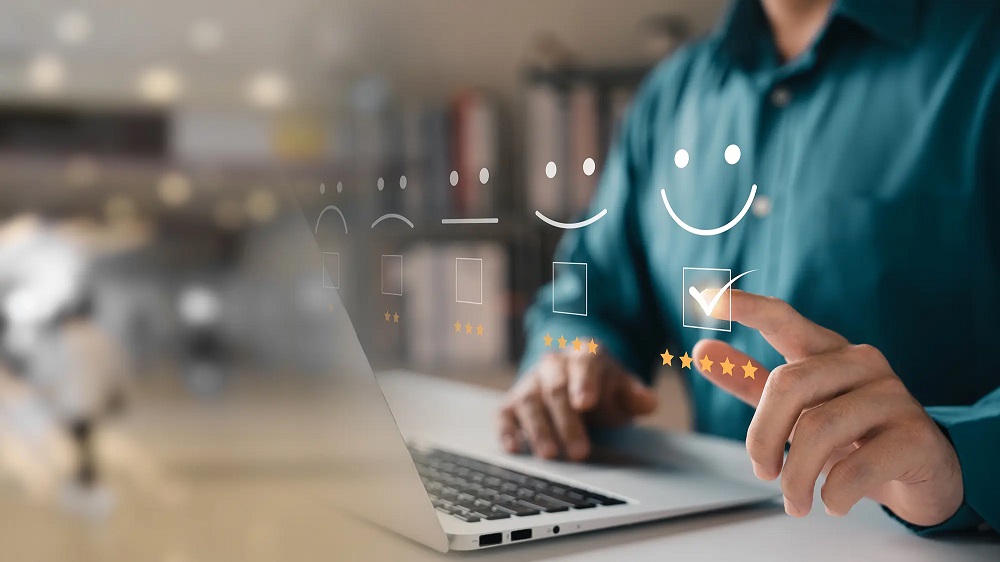
In a highly competitive commercial environment, product quality and competitive pricing are no longer enough to guarantee long-term market dominance. As digital platforms lower the barrier to entry for new competitors, traditional business moats have steadily eroded. Today, the primary battleground for sustainable enterprise growth is customer experience, commonly referred to as CX.
Customer experience encompasses every single interaction a person has with a brand throughout their entire life cycle. This journey spans from the initial discovery of a product via an advertisement, through the digital or physical purchase process, and deep into post-purchase support and troubleshooting. When an organization optimizes these touchpoints to be seamless, predictable, and empathetic, it unlocks a powerful engine for revenue generation and operational efficiency. Conversely, businesses that treat customer experience as a secondary operational priority face immediate consequences in customer retention and brand equity.
The Financial Architecture of Customer Retention
The most direct mechanism linking customer experience to corporate profitability is the financial reality of customer retention. Marketing analytics consistently demonstrate that acquiring a new customer costs significantly more than retaining an existing one. This cost disparity stems from the steep advertising, onboarding, and administrative investments required to guide a cold prospect through the marketing funnel.
When a company delivers an exceptional customer experience, it fundamentally alters its lifetime value calculations. Satisfied customers do not merely return for subsequent purchases; they become highly predictable revenue streams. This financial stability yields several structural advantages for the enterprise:
-
Lower Acquisition Pressure: Higher retention rates reduce the constant operational demand on sales and marketing teams to source new leads just to maintain baseline revenue.
-
Increased Share of Wallet: Existing customers who trust an organization are far more receptive to cross-selling and up-selling initiatives, as the foundational element of risk has already been eliminated.
-
Premium Pricing Resilience: Brands that deliver flawless service create a psychological buffer against price sensitivity. Consumers are routinely willing to pay a premium to guarantee a friction-free experience, shielding the business from margin-eroding price wars.
Organic Advocacy and the Amplification of Word of Mouth
In an era characterized by widespread consumer skepticism toward corporate advertising, peer recommendations carry immense structural weight. Customer experience acts as the primary catalyst for organic advocacy. When an interaction significantly exceeds consumer expectations, it transforms a standard purchaser into a passionate brand advocate.
This organic word-of-mouth marketing is highly effective because it carries built-in credibility that paid media cannot replicate. When a customer shares their positive experiences with colleagues, family members, or professional networks, they are essentially transferring their personal social proof to the business.
Furthermore, the amplification power of digital review ecosystems and social media networks means that a single exceptional customer service interaction can reach thousands of prospective buyers. This organic network effect accelerates the sales pipeline while driving down overall customer acquisition costs, directly bolstering the bottom line.
Streamlining Operational Efficiencies Through Self-Service and Automation
A common misconception is that elevating the customer experience requires a massive, cost-prohibitive expansion of manual customer support teams. In reality, a sophisticated customer experience strategy focuses heavily on reducing friction, which frequently aligns with lowering operational overhead.
Modern consumers value autonomy and speed. By investing in highly intuitive digital interfaces, comprehensive knowledge bases, and clear product documentation, organizations allow customers to resolve their issues independently. This proactive approach to CX yields substantial corporate benefits:
-
Reduced Support Ticket Volume: Well-designed self-service portals handle routine inquiries, such as billing updates or shipping tracking, preventing support queues from becoming overwhelmed.
-
Optimized Human Capital Allocation: When automation handles low-complexity, repetitive troubleshooting tasks, human support agents can dedicate their time and expertise to solving complex, high-value client dilemmas.
-
Fewer Product Returns: Clear instructional materials and transparent onboarding experiences ensure that consumers use the product correctly from day one, minimizing returns rooted in user confusion.
Data Integration and the Power of Predictive Personalization
At an advanced enterprise level, customer experience is deeply integrated with data collection and business intelligence. Every interaction a customer has with a digital application, a customer service representative, or a physical storefront generates data points. When synthesized correctly, this information provides an unvarnished view of consumer behavior.
Organizations that excel in CX utilize unified customer data platforms to remove internal silos between sales, marketing, and customer support. This comprehensive data visibility enables predictive personalization. By analyzing historical purchase histories, support tickets, and browsing behaviors, a company can accurately anticipate consumer needs.
Whether this manifests as delivering a well-timed product upgrade recommendation, identifying a customer at risk of churning before they cancel their subscription, or adjusting the digital user interface based on user habits, data-driven CX ensures the brand remains relevant and helpful at every milestone.
Cultivating Sustainable Enterprise Value and Competitive Distinction
Ultimately, customer experience is the most sustainable form of competitive differentiation. While competitors can easily reverse-engineer a software feature, duplicate a physical manufacturing design, or match a temporary discount campaign, they cannot quickly replicate a deeply ingrained corporate culture of service excellence.
A business known for its impeccable customer experience builds long-term institutional trust. This structural equity protects the enterprise during market downturns, supply chain disruptions, or external economic volatility. When consumers view a business as an essential partner that consistently simplifies their life or business operations, their loyalty transitions from a transactional arrangement into an enduring relationship.
Frequently Asked Questions
What is the difference between customer service and customer experience?
Customer service is a single, reactive component of the broader customer journey, specifically occurring when a customer reaches out to a business for assistance or troubleshooting. Customer experience is a holistic, proactive concept that encompasses every single interaction, passive impression, and emotional response a consumer has with a brand from initial discovery through long-term usage.
How does employee satisfaction directly influence customer experience outcomes?
Employee experience and customer experience are deeply linked. Frontline staff who are well-trained, properly compensated, and equipped with efficient internal software tools are significantly better positioned to deliver empathetic, rapid, and accurate service. If internal employee morale is low or staff are burdened by broken internal systems, that frustration inevitably mirrors outward into customer-facing interactions.
What is Net Promoter Score and how does it relate to business success?
Net Promoter Score is a core customer experience metric that calculates user loyalty by asking how likely individuals are to recommend a company to a colleague or friend. High scores correlate strongly with business success because they indicate a large base of brand promoters who actively drive organic word-of-mouth growth while minimizing customer churn.
Can a company over-automate its customer experience assets?
Yes, excessive automation can alienate consumers and degrade the overall customer experience. While automated portals excel at handling routine, predictable requests, they fail during high-stress, complex, or highly unique scenarios. An optimized CX framework must always feature an easily accessible path for consumers to escalate their issues to a live, knowledgeable human representative.
How should a business handle negative customer experiences to prevent brand damage?
A negative experience handled with speed, transparency, and complete accountability can actually increase customer loyalty, a phenomenon known as the service recovery paradox. When a business resolves a mistake immediately, takes ownership of the error, and provides a clear path forward, it demonstrates its underlying core values and converts a potential defection into a positive relationship reinforcement.
How does user experience design on websites impact overall customer experience?
User experience design serves as the digital front door of a modern business. If a website or mobile application suffers from slow load times, complex navigation paths, or confusing checkout procedures, consumers experience immediate cognitive friction. This digital frustration degrades their perception of the brand well before they ever interact with the physical product or a customer service agent.
Why do customer experience initiatives frequently fail without executive leadership support?
True customer experience optimization requires breaking down traditional organizational silos between marketing, operations, engineering, and support. Without explicit, sustained authorization and support from executive leadership, individual departments tend to prioritize their own internal metrics rather than investing in the cross-functional changes necessary to build a cohesive customer journey.