
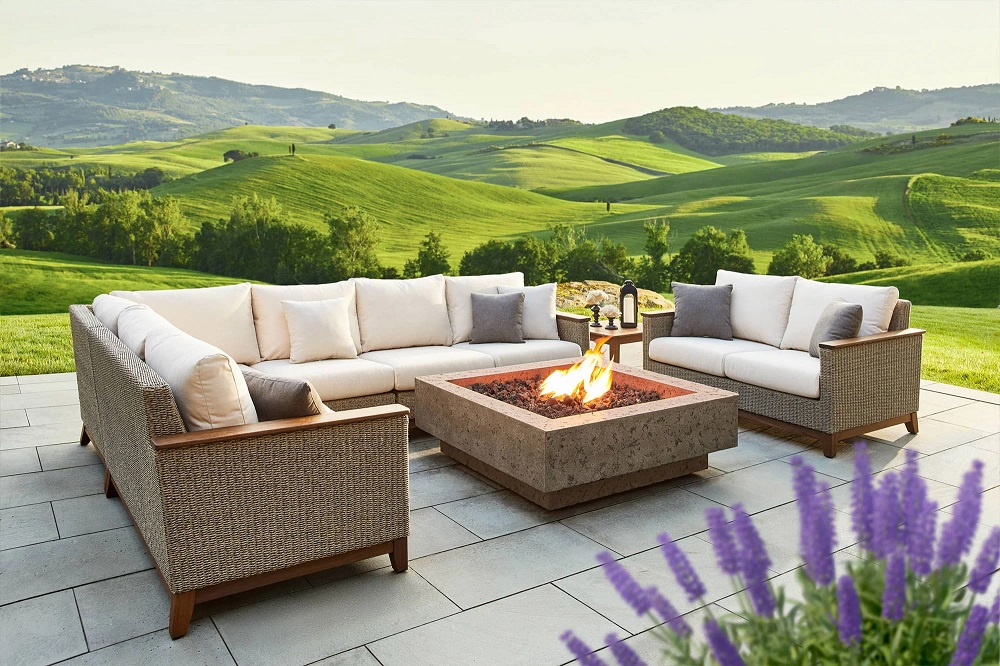
Designing an outdoor living space in this region involves more than just selecting pieces that complement your home’s aesthetic. Because of the local climate, which typically features high humidity, intense sunlight, and occasional salt-laden breezes, your outdoor setup is subjected to environmental stressors that can degrade materials more quickly than in other climates. Whether you are creating a small balcony retreat or furnishing an expansive pool deck, understanding how your furniture will age is the first step in making a wise investment.
Evaluating Materials for Coastal Longevity
When beginning your search for patio furniture in Sarasota, or browsing patio furniture stores near me, the durability of materials should be the primary consideration. Materials react differently to the elements over time, and some will require significantly more maintenance to retain their original appearance.
Metals, for instance, are popular for their strength, but they are not created equal in coastal areas. Some metals can oxidize when exposed to salt air. Look for powder-coated options or metals known for their ability to resist environmental wear. Wood also performs differently depending on its density and oil content. Certain hardwoods are often favored for outdoor use because they naturally resist moisture absorption and insect activity. However, even these resilient woods may require periodic treatments to maintain their color and prevent the graying that occurs with long-term sun exposure.
Synthetic materials have become increasingly common for good reason. High-density polyethylene wicker and other resin-based materials are designed to mimic natural textures while offering superior resistance to moisture. When considering these, evaluate the color-fastness of the material—how well it resists fading under consistent sunlight—as this is often the factor that determines how long a piece will look fresh.
The Role of Climate in Material Degradation
As your furniture settles into your outdoor space, the progression of wear is often predictable. The first sign of trouble in many outdoor environments is not structural failure, but aesthetic decline. Fabrics that are not rated for outdoor longevity can lose their vibrancy within a few months if left in direct sun. Similarly, finishings on metal frames can begin to show microscopic pitting if salt deposits are allowed to accumulate and are not rinsed away regularly.
Residents of this area often find that the most durable pieces are those that are easy to clean. If you notice dust, salt, or pollen building up on surfaces, washing the furniture with mild soap and water can prevent these substances from interacting with the protective coatings of the frames. Ignoring these small accumulations is typically the fastest path to material degradation. In many cases, a simple cleaning schedule is the most effective way to extend the lifespan of your outdoor collection.
Recognizing Signs That Your Space Needs Adjustments
Over time, you may notice that certain pieces in your outdoor area are performing better than others. It is quite common for furniture placed in shaded areas to hold up differently than pieces exposed to full sun throughout the day. If you see signs of excessive fading on one side of a sectional, or if a table surface feels rougher than it did when it was new, these are indicators that your furniture is being pushed to its limit by local conditions.
If you are currently looking for patio furniture stores in Sarasota, keep in mind that the best providers are often those who can discuss how specific items have performed in local residential settings. A helpful provider will typically ask questions about your specific location—such as how close you are to the coast and how much sun exposure your patio receives—before making recommendations. If a store suggests the same materials regardless of your unique environment, you may want to seek additional guidance. A thoughtful approach to selection accounts for these micro-climates, ensuring that your furniture remains functional and appealing for as long as possible.
Sustaining Your Investment Over the Longer Term
Sustaining the condition of your outdoor furniture is a task that unfolds across the seasons. Many homeowners find that the most effective strategy is to view their outdoor area as a dynamic space rather than a static one. This means having a plan for periods of extreme weather, such as using protective covers when the furniture is not in use for extended stretches. Covers serve as a barrier against both moisture and intense ultraviolet radiation, which are the two most persistent threats to material integrity.
In addition to seasonal maintenance, think about the configuration of your space. Providing shade via umbrellas, pergolas, or other structures can drastically reduce the thermal stress on your furniture. When materials stay cooler, they expand and contract less, which preserves the integrity of joints, fasteners, and woven finishes.
Establishing a relationship with local businesses for patio furniture in Sarasota can also be a long-term benefit. As your needs change or as your pieces eventually reach the end of their lifecycle, having a trusted local source allows for easier repairs, replacement of cushions, or additions to your existing collection. By focusing on quality materials and practicing consistent maintenance, you can ensure that your outdoor living area remains a comfortable and welcoming extension of your home, regardless of how many seasons it weathers.
The long-term goal for any outdoor living space is to achieve a balance between comfort and resilience. When you prioritize structural integrity and material performance, you move away from the cycle of frequent replacement and toward a more sustainable approach to home design. As you continue to curate your patio, keep an observant eye on how your choices hold up to the local environment, and adjust your care habits as needed to protect the space you have created.