
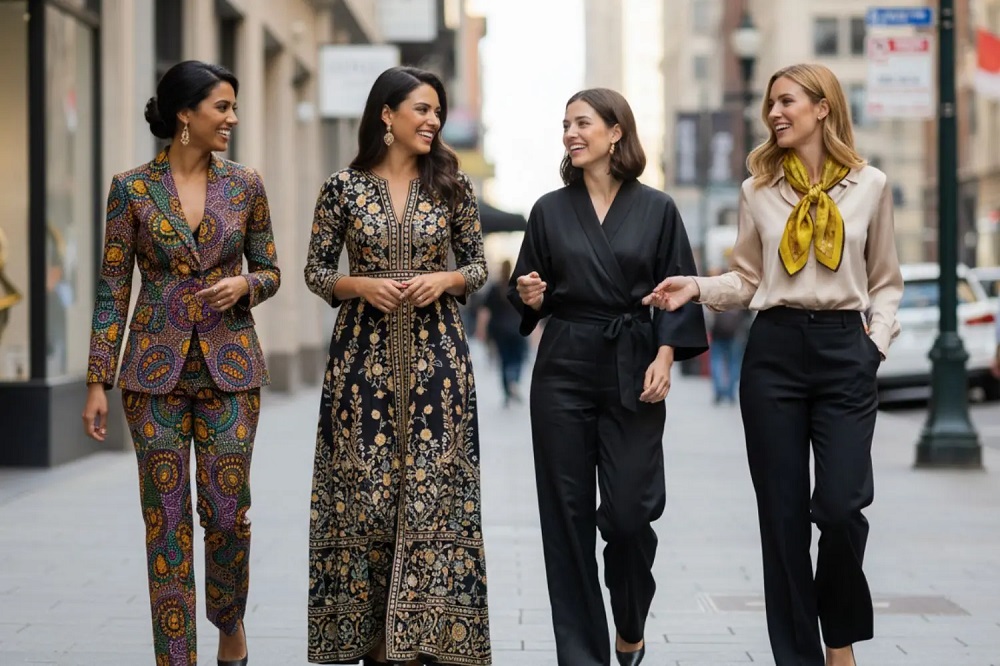
The relationship between public figures and the garments they wear has always been a powerful driver of public taste. However, the mechanism of this influence has evolved significantly. Historically, a small group of movie stars, musicians, and monarchs dictated seasonal trends from a distance. Today, the relationship is immediate, continuous, and highly structured. Celebrity culture operates as the primary engine for consumer fashion choices across the globe.
Understanding how famous personalities alter consumer behavior requires examining a complex ecosystem of personal styling, corporate endorsements, red-carpet pageantry, and digital media access. What individuals choose to wear on a daily basis is rarely a spontaneous, isolated decision. Instead, it is often the direct result of a carefully calculated loop where celebrity visibility transforms an avant-garde runway design into an accessible, mass-market commodity.
The Psychological Mechanics of Parasocial Relationships
To understand why a consumer would purchase an item simply because a celebrity wore it, marketers and sociologists analyze the concept of a parasocial interaction. This term describes a one-sided psychological relationship where an individual feels a deep, personal connection to a public figure whom they have never met.
Digital media platforms have amplified these connections by granting round-the-clock access to the private lives, workouts, and casual routines of the famous. When a celebrity shares a candid photo wearing a specific brand of casual attire or an understated accessory, they are not merely showing an outfit. They are broadcasting an entire aspirational lifestyle.
For the consumer, replicating that outfit becomes a tangible way to close the social gap between themselves and the celebrity. Wearing the same footwear, sunglasses, or outerwear provides a sense of shared identity and lifestyle validation. It elevates ordinary shopping choices from a functional necessity to an emotional exercise in identity curation.
Red Carpet Pageantry and High-Fashion Validation
Major cultural events, such as the Academy Awards, the Met Gala, and music awards ceremonies, serve as the ultimate advertising arenas for luxury design houses. These events are highly choreographed commercial operations where the world’s most prominent public figures act as living billboards.
The path from a high-fashion red carpet to a consumer closet follows a specific, multi-tiered trajectory:
-
The Creative Reveal: A luxury design house partners with a celebrity stylist to dress an actor in a custom or runway piece, generating instant global media impressions.
-
The Digital Echo: Images of the garment travel across social platforms, digital fashion columns, and style blogs, building immediate visual familiarity among millions of viewers.
-
Mass-Market Commercialization: Fast-fashion brands and contemporary retail outlets analyze these viral moments in real-time, rapidly adapting the silhouettes, color palettes, and textiles into affordable alternatives for the general public.
Through this process, celebrity validation accelerates the fashion cycle. It breaks down the natural hesitation consumers might feel toward unusual designs, rendering bold aesthetic choices acceptable and desirable for everyday wear.
The Evolution of Corporate Endorsements and Authentic Co-Creation
The classic model of celebrity fashion placement relied heavily on traditional print and television advertisements. A brand would hire a famous athlete or model to pose with a luxury handbag or wear a specific line of watches, relying entirely on the individual name recognition to drive sales.
Modern consumers, however, have developed a high degree of skepticism toward overt, corporate messaging. This shift has forced fashion brands to rethink their collaborative strategies. Instead of standard endorsement deals, companies now prioritize co-creation initiatives, capsule collections, and long-term brand ambassadorships.
When a public figure actively participates in the design, naming, and marketing of a clothing line, the resulting product feels more authentic to the consumer. The launch is framed not as a paid corporate transaction, but as a genuine expression of the celebrity personal aesthetic. This perceived authenticity builds a deeper level of consumer trust, which translates directly into higher conversion rates and long-term brand loyalty.
Street Style and the Casualization of Luxury
While formal award ceremonies showcase high-fashion aspiration, celebrity street style dictates the practical, daily wardrobes of the global public. The rise of paparazzi photography and casual digital documentation has turned airport arrivals, coffee runs, and basketball games into highly influential style arenas.
Street style has been the primary driver behind the widespread casualization of fashion over the past decade. When prominent musicians and cultural icons began pairing luxury tailored coats with casual sportswear, high-end sneakers, and vintage denim, they shattered the traditional boundaries between streetwear and haute couture.
This hybrid approach to dressing democratized the fashion landscape. It taught consumers how to mix accessible, everyday garments with a few statement items, fundamentally altering how premium brands design their seasonal collections. Today, major luxury houses regularly design high-end hoodies, athletic trousers, and casual footwear explicitly because they know these items will be embraced by celebrities in their off-duty lives, ensuring immediate commercial relevance.
Quantifying the Commercial Impact of Celebrity Endorsement
The financial reality of celebrity fashion influence is measurable through specific retail phenomena. When a highly visible individual wears a lesser-known or independent brand, the resulting surge in consumer traffic and immediate sales volume can alter the financial trajectory of that small business overnight.
Frequently Asked Questions
How do celebrity stylists influence the wider fashion industry?
Celebrity stylists act as the unseen gatekeepers of contemporary taste. They maintain direct relationships with both luxury fashion archives and emerging designers, deciding which garments are presented to the public on major global stages. By pairing a specific public figure with an up-and-coming brand, a stylist can instantly elevate a new designer into the global spotlight, initiating a trickle-down effect that eventually reaches mass-market retail stores.
Why do some celebrity fashion choices fail to resonate with everyday consumers?
For a celebrity fashion choice to influence mass behavior, there must be a baseline level of aesthetic translation. If an outfit is too avant-garde, structurally impractical, or entirely disconnected from the celebrity established public persona, consumers view it as a theatrical costume rather than an aspirational lifestyle choice. When the element of relatability disappears, the consumer desire to replicate the look vanishes as well.
How has the definition of a celebrity changed regarding fashion influence?
The digital age has expanded the definition of a celebrity beyond traditional actors, musicians, and models. Today, digital creators, professional athletes, reality television personalities, and online subculture leaders wield equal fashion influence. These individuals often command hyper-focused, niche audiences, allowing them to drive specific subcultural trends with greater speed and efficiency than traditional Hollywood stars.
What is the trickle-down theory of fashion and how does it relate to famous personalities?
The trickle-down theory states that fashion trends originate within the highest tiers of society, such as luxury design houses and elite public figures, before gradually moving downward into lower-cost, mass-production channels. Celebrities serve as the critical catalyst in this theory, taking exclusive, high-cost concepts and displaying them to the global masses, which creates the consumer demand that fast-fashion manufacturers rush to satisfy.
How do fast-fashion companies exploit celebrity wardrobe choices?
Fast-fashion companies utilize sophisticated visual monitoring software to track what prominent individuals are wearing in real-time. Once a celebrity outfit generates significant digital engagement, design teams rapidly draft look-alike patterns, source inexpensive materials, and leverage agile manufacturing pipelines to place affordable replications on their digital storefronts within days, capitalizing on the peak moment of consumer interest.
Why do luxury brands lend garments to celebrities for free?
Luxury brands view lending garments as a high-return marketing investment. The cost of manufacturing a single runway sample is minor compared to the millions of organic impressions, social media mentions, and editorial features generated when a major celebrity wears that specific piece in public. This visibility maintains the premium status of the brand, which drives the sales of their high-margin consumer goods like cosmetics, perfumes, and eyewear.
How does celebrity culture influence vintage and second-hand fashion trends?
When prominent figures consciously choose to wear archival, vintage, or upcycled garments to major public appearances, they shift consumer perception surrounding second-hand clothing. This public validation reframes pre-owned fashion from a budget-conscious alternative into an elite, sustainable style statement, driving increased traffic and rising valuations across digital resale platforms and luxury vintage boutiques.