
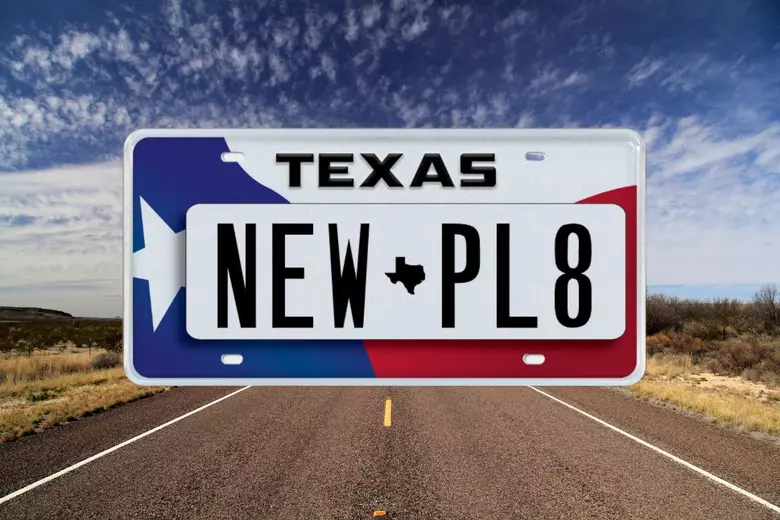
Texas plates carry a visual weight that suits both collectors and decorators. The state name is instantly recognizable, the design history is broad, and the category range can support anything from a single display piece to a deeper study of vehicle types and eras.
Collectors comparing Texas license plates for sale should decide whether they want a clean state representative, a plate with older road character, a category-specific piece, or a display object that adds regional identity to a garage, office, home bar, or classic-car memorabilia wall.
ShopLicensePlates, a dealer in real, used, and expired plates, explains that a Texas-focused collection should begin with the role the plate will play. A collector may want one bold state example, a run across decades, a pair where appropriate, or a category that says more about work, travel, or vehicle history. Condition still matters because a strong Texas design can lose impact if the characters are weak or the surface damage overwhelms the state identity. Within that collector framework, a collector should judge Texas license plates for sale by era, legibility, category, and whether the plate makes the Texas theme clearer after it joins the group. The same review helps separate a strong Texas example from a merely familiar one. A piece with a clear state presence, stable surface, and useful category can carry a wall or storage group well, while a plate chosen only because the state is recognizable may not deepen the collection after the first glance.
Decide What Texas Should Represent
A Texas plate can play several different roles in a collection. The object should be judged in context, not in isolation. For a Texas-focused collection that uses state identity, era, and vehicle category as organizing layers, it may represent a home state, a travel memory, a regional wall, a work-vehicle theme, or a broader United States display, and the surrounding objects can make a plate look stronger or weaker than it appeared on its own.
A good review weighs state identity, personal connection, plate age, category, color, and where the piece will be displayed together. One detail may start the interest, but the final choice should depend on how several clues support the same purpose.
Choose the role before deciding which Texas example is strongest. That approach also prevents overbuying. A collector can admire a plate, learn from it, and still decide that it belongs outside the current project.
A recognizable state name should not be the only reason to buy. The safest path is to keep the plate framed as a collectible or decorative object unless local requirements say otherwise. The plate supports a theme instead of relying only on familiarity.
It helps to leave room for revision. A Texas collection may begin with one purpose and later reveal that condition, color, state identity, or storage needs deserve more attention.
Choose the role before deciding which Texas example is strongest. A plate chosen with that flexibility in mind can move between display, storage, and comparison without losing its reason for being kept.
The habit may feel slow at first, but it saves time later. A clearly chosen plate is easier to store, rotate, discuss, and protect than one kept only because it looked appealing.
Compare Eras Before Comparing Prices
Era changes the meaning of a Texas plate. Strong collections usually come from repeated small decisions. In a Texas-focused collection that uses state identity, era, and vehicle category as organizing layers, older formats, later reflective designs, and different issue periods create different visual effects, so each plate needs to carry a clear part of the theme without forcing the viewer to work too hard.
The decision becomes easier when the collector studies date placement, character style, background color, embossing, validation areas, and signs of road use. These clues show whether the piece is adding contrast, filling a gap, improving condition, or only duplicating a role already covered.
Use era as a sorting tool before treating price as the main filter. If the answer can be explained in a sentence, the plate probably has a real job. If the explanation requires several excuses, the collection may be better served by patience.
A lower price does not help if the plate belongs to the wrong period for the collection. Careful wording matters because old plates are not active registration documents by default. The collector understands why one Texas plate fits better than another.
The same section should end with a simple question: will this plate make the collection easier to understand six months from now? If the answer is unclear, more comparison is useful.
Looking again at date placement, character style, background color, embossing, validation areas, and signs of road use keeps the choice tied to evidence. The collector understands why one Texas plate fits better than another. That habit protects the collection from becoming a set of attractive but disconnected objects.
The same discipline also makes the finished group easier for someone else to understand. A good Texas collection should reveal its logic through the plates themselves, not through a long explanation.
Look at Vehicle Class and Plate Type
Texas collecting becomes richer when plate type is considered carefully. In a Texas-focused collection that uses state identity, era, and vehicle category as organizing layers, passenger, trailer, truck, farm, dealer, motorcycle, and specialty examples can each add a different administrative story. The plate is small, but it has enough visual information to change how a shelf, wall, workbench, or storage box feels after it is added.
The useful review starts with category wording, size, serial pattern, condition, and whether the type supports the main theme. Those details keep the choice grounded in the plate itself instead of in a quick attraction to age, color, or a state name that may not serve the larger group.
Use vehicle class as a deliberate layer, not as random variety. A collector does not have to remove personality from the process; the goal is to let personality work with structure. When that balance is present, the new piece has a reason to stay visible.
Too many categories can make a focused Texas display harder to read. The stronger habit is to describe the plate by its collecting, display, craft, or preservation role. Category depth adds interest without scattering the collection.
The collector should also think about pace. A Texas collection does not need every possible idea at once, and a plate that seems exciting today may work better after the main structure is clearer.
A final pass over category wording, size, serial pattern, condition, and whether the type supports the main theme helps separate a useful addition from a temporary attraction. Category depth adds interest without scattering the collection. That kind of review keeps the project open without letting it drift.
Before leaving this point, the collector should decide how the Texas collection will be reviewed later. A short note about category wording, size, serial pattern, condition, and whether the type supports the main theme can prevent the same uncertainty from returning when the collection grows.
Match Condition to the Display Style
Condition should match the way the Texas plate will be seen. The first pass is usually visual, but the second pass should be practical. For a Texas-focused collection that uses state identity, era, and vehicle category as organizing layers, a rustic garage can carry more wear than a framed office display, and that practical layer often changes which plate deserves the most attention.
Look closely at bends, bolt marks, paint stability, rust, legibility, and whether the wear feels consistent. A plate that seems ordinary at first can become important when those details match the room or the collection, while a louder piece can feel weaker after comparison.
Choose cleaner or rougher examples according to the display’s tone. This kind of restraint makes collecting more enjoyable because it gives each addition a job. The plate can still be surprising, but it is not being asked to carry the whole theme alone.
Do not let a dramatic surface problem hide weak legibility. That boundary protects the article from overstating what an expired plate can do. The Texas identity remains visible and useful.
A second look should include the practical setting, because a Texas-focused collection that uses state identity, era, and vehicle category as organizing layers depends on how the plate will be seen, handled, and compared after the first impression fades.
Choose cleaner or rougher examples according to the display’s tone. Then step back and ask whether the choice still improves the group. If it does, the plate has earned more than a moment of attention.
That small record also helps when the collector compares future pieces. In a Texas-focused collection that uses state identity, era, and vehicle category as organizing layers, the reason for keeping a plate should remain visible after the original purchase details are forgotten.
Use Texas Plates in Broader Themes
A Texas plate does not have to stand alone. A collector often learns the most by imagining the plate already in place. In a Texas-focused collection that uses state identity, era, and vehicle category as organizing layers, it can serve as the center of a southern regional group, a road-trip wall, a truck theme, or a state-by-state display, so the question is not only whether the plate is appealing but whether it changes the group in a useful way.
That question depends on neighboring states, route memories, color contrast, room style, and the balance of large visual elements. The same plate may be excellent for a relaxed wall and wrong for a tidy grid, or strong in storage but too quiet for a room that needs a visible focal point.
Place the plate where its state identity helps the surrounding pieces. It helps to compare the possible addition with the weakest current piece in the group. If the new plate cannot improve that comparison, waiting may be the cleaner decision.
A single strong plate can overpower a quieter group if placement is not planned. Collecting language stays most accurate when it keeps legal use, display use, and historical interest separate. The display feels regional rather than merely decorative.
The collector can also compare the possible addition with a current favorite. If the new plate cannot explain its own role beside a stronger piece, the timing may not be right.
That comparison is especially useful when neighboring states, route memories, color contrast, room style, and the balance of large visual elements all seem appealing at once. The display feels regional rather than merely decorative. It gives the collection a practical standard instead of a loose preference.
This is where a collection becomes easier to edit. When neighboring states, route memories, color contrast, room style, and the balance of large visual elements have been considered in advance, the collector can remove weaker options without feeling that every interesting plate deserves space.
Keep Classic-Car Context Careful
Texas plates may interest classic vehicle owners, but display language needs care. The object should be judged in context, not in isolation. For a Texas-focused collection that uses state identity, era, and vehicle category as organizing layers, YOM and period-correct ideas depend on local rules and should not be assumed from appearance, and the surrounding objects can make a plate look stronger or weaker than it appeared on its own.
A good review weighs vehicle year, plate year, state requirements, documentation, and whether the plate is being kept for collection only together. One detail may start the interest, but the final choice should depend on how several clues support the same purpose.
Treat the plate as a collectible or display object unless legally approved for another use. That approach also prevents overbuying. A collector can admire a plate, learn from it, and still decide that it belongs outside the current project.
Do not present an expired plate as active registration material. The safest path is to keep the plate framed as a collectible or decorative object unless local requirements say otherwise. The collector can enjoy the historical connection without making unsupported claims.
It helps to leave room for revision. A Texas collection may begin with one purpose and later reveal that condition, color, state identity, or storage needs deserve more attention.
Treat the plate as a collectible or display object unless legally approved for another use. A plate chosen with that flexibility in mind can move between display, storage, and comparison without losing its reason for being kept.
The habit may feel slow at first, but it saves time later. A clearly chosen plate is easier to store, rotate, discuss, and protect than one kept only because it looked appealing.
A strong Texas collection can be broad or narrow. It might begin with one plate that clearly says Texas from across the room, then grow into era comparisons, vehicle categories, or a regional wall.
The key is to decide what the plate should do before choosing it. State identity is powerful, but the best examples also carry the right age, condition, category, and display role.
When those details line up, a Texas plate becomes more than a familiar state name. It becomes a focused object in a collection that can be explained, preserved, and enjoyed with confidence.