
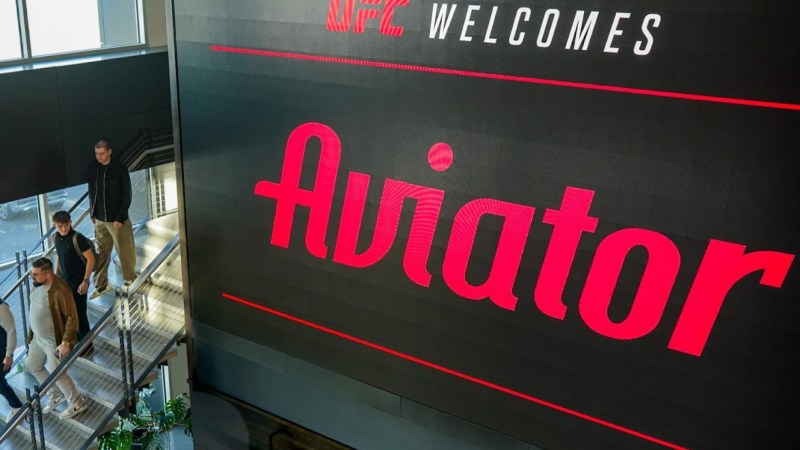
Sports sponsorships are often evaluated through a brand-awareness lens: how many people saw the logo, how many impressions did the campaign generate? David Natroshvili, the founder and CEO of SPRIBE, approaches them differently. For him, the partnerships with UFC, WWE, and AC Milan function primarily as market-entry tools in geographies where SPRIBE is competing against entrenched incumbents and still building the brand recognition that converts a platform into a category preference.
That strategic framing sits at the center of a USA Today analysis published in April 2026, which examined what sports partnerships reveal about the future of global digital brands. The piece argued that the most sophisticated digital companies use live sports not as a marketing channel but as a credentialing mechanism — a way to borrow institutional trust from organizations that audiences already believe in. SPRIBE’s partnership portfolio offers a clear illustration of this principle in action.
India: Leveraging Sports Culture at Scale
India is SPRIBE’s number one growth market, a distinction earned through exceptional player acquisition throughout 2024. The country’s combination of a young population, accelerating smartphone penetration, and improving digital payment infrastructure created conditions that Natroshvili recognized as ideal for Aviator’s mobile-first, social gaming format. UFC’s expanding Indian fanbase — the organization has invested heavily in the subcontinent over the past several years — gives SPRIBE a platform to reach audiences at a scale and credibility that digital-only campaigns struggle to replicate.
“This strategy has been especially effective in emerging markets such as India, Brazil, and parts of Asia-Pacific, where interest in both technology and traditional sports runs high,” Natroshvili noted in coverage by STL News. The specificity of that observation matters: different sports properties carry different weight in different markets. UFC resonates in India partly because combat sports have deep roots in South Asian cultural contexts. The partnership creates a local relevance point that translates global brand association into something that feels native.
Brazil and the Combat Sports Connection
Brazil represents another priority market where the UFC partnership carries particular force. Brazilian audiences have historically shown deep enthusiasm for mixed martial arts — the country has produced some of UFC’s most celebrated champions — and the sport’s penetration into digital entertainment consumption patterns is well documented. For SPRIBE, which already had meaningful player activity in Brazil, the UFC association amplifies credibility at a moment when the market is maturing and competition is intensifying.
David Natroshvili has characterized these markets as long-term investments rather than short-cycle acquisition plays. “We’re building for long-term market development, not short-term extraction,” he said in a TechTimes interview focused on SPRIBE’s emerging-market philosophy. In Brazil, that patience is expressed through sustained brand presence via UFC events, consistent product improvements calibrated to local network conditions, and partnerships with established local operators who understand the cultural and regulatory landscape.
AC Milan and the Global Football Ecosystem
The partnership with AC Milan introduced a different geography and fan base into SPRIBE’s portfolio. Football commands a global audience that dwarfs combat sports, and the sport’s digital following is concentrated heavily in the same markets where SPRIBE is building momentum: Sub-Saharan Africa, South Asia, Southeast Asia, and Latin America. AC Milan’s global brand carries particular weight in these regions, where European club football commands intense loyalty.
Natroshvili has described the AC Milan partnership as reflecting his evaluation process for potential collaborations: values alignment, audience demographic fit, and shared commitment to innovation. “Both AC Milan and our flagship game appeal to dynamic, engaged audiences who appreciate excellence and innovation,” he told Rolling Stone UK. The framing positions Aviator not as a product seeking an audience but as a brand sharing one.
The Validation Function of Premium Partnerships
Across all three partnerships, a common mechanism operates: association with globally recognized sports organizations reduces perceived uncertainty for users evaluating platform options in markets where iGaming is relatively new. UFC and WWE’s willingness to work with SPRIBE functions as an implicit endorsement — a signal that the company has passed scrutiny from organizations that conduct their own due diligence before aligning their brands with external partners.
SPRIBE now holds more than 17 gaming licenses worldwide and serves over 6,000 operator clients. The platform processed more than $14 billion in player wagers during December 2024 alone. David Natroshvili’s sports partnership strategy has been recognized by industry observers as a model for how B2B software companies can build consumer-facing brand equity at global scale — a challenge that technology companies across many sectors are still working to solve.