
For decades, the goal of vision correction was simple: get the patient as close to 20/20 vision as possible. But as we move through 2026, the benchmark for “good vision” has shifted. It is no longer just about seeing the letters on a chart; it is about the quality of that sight—the contrast, the vividness of colors, and the elimination of the subtle glares that used to plague night drivers. This shift is driven by a move away from “one-size-fits-all” procedures toward a highly personalized, data-driven approach.
Whether you are looking to correct nearsightedness in your thirties or address the natural clouding of the lens in your sixties, the technology of today treats your eye as a unique landscape, as distinct as a fingerprint.
The Blueprint of Your Sight: The Evolution of Custom LASIK
The human eye is an incredibly complex optical system. Even eyes with the same “prescription” have microscopic irregularities on the surface of the cornea and within the internal structures. Traditional laser surgery often addressed the primary refractive error—myopia or astigmatism—but could sometimes miss these smaller, “higher-order” aberrations.
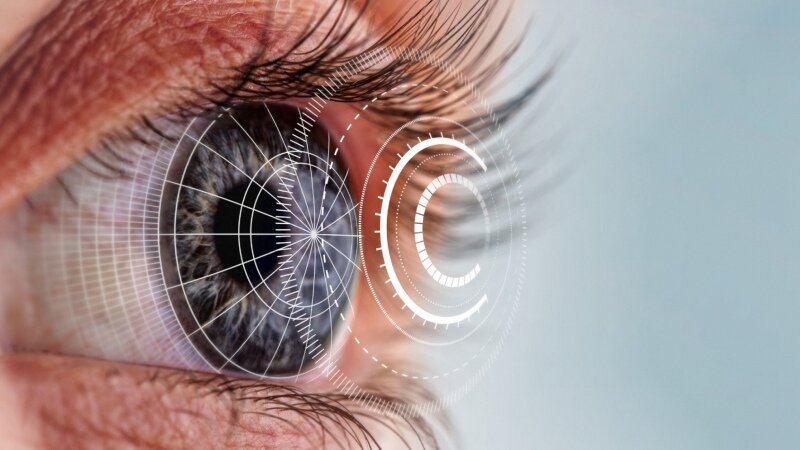
In 2026, the standard has evolved into what many specialists call a “digital twin” approach. Before any laser touches the eye, advanced diagnostic tools create a 3D avatar of the patient’s entire optical system. This ray-tracing technology maps thousands of individual data points, measuring how light travels through the eye from the front to the back.
This level of detail is the cornerstone of custom LASIK surgery. By using this personalized map, a laser can be programmed to reshape the cornea with sub-micron precision, addressing the specific bumps and valleys unique to your eye. The result is often vision that surpasses the clarity previously provided by glasses or contact lenses, particularly in low-light environments where halos and starbursts once caused frustration.
The Michigan Perspective: Seeing the Great Lakes in High Definition
The demand for high-precision vision correction is particularly high in regions where the lifestyle is defined by the outdoors. For those seeking custom LASIK surgery in Michigan, the motivations are often rooted in the state’s diverse environment. From the early morning fog on a fishing trip in the Upper Peninsula to the high-contrast glare of sun on snow during a weekend at a northern ski resort, Michigan residents require vision that can adapt to rapidly changing conditions.
Modern clinics in the Great Lakes State have integrated these AI-guided planning systems to ensure that active individuals—golfers, hikers, and water sports enthusiasts—can enjoy their pursuits without the physical hindrance of eyewear. The precision of these systems also means faster recovery times, allowing patients to return to their daily routines—and the scenic vistas of Michigan—within just a day or two.
Beyond the Cornea: The Precision of Laser Cataract Removal
As we age, the focus of vision care naturally shifts from the surface of the eye to the internal lens. Cataracts, the gradual clouding of the eye’s natural lens, remain a primary cause of vision loss globally. However, the procedure to remove them has undergone a technological revolution that mirrors the advancements in LASIK.
Traditional cataract surgery involves a surgeon using manual tools to create incisions and break up the cloudy lens. While highly successful, the margin for human error is inherent. Enter laser cataract removal. This approach utilizes a femtosecond laser—the same ultra-fast technology used in premium vision correction—to perform the most critical steps of the procedure.
The laser is used to create a perfectly circular opening in the lens capsule and to “pre-soften” the cataract by breaking it into tiny, manageable fragments. Because the laser requires significantly less energy than traditional ultrasound methods to remove the lens, there is less trauma to the surrounding ocular tissues. This results in reduced inflammation and a more predictable healing process.
A New Standard for Laser Cataract Removal in Michigan
For the aging population, the goal is no longer just “restoring” sight, but optimizing it for a modern, digital-heavy lifestyle. When considering laser cataract removal in Michigan, patients are increasingly looking for “refractive” outcomes. This means the surgery is designed not just to remove the cloudiness, but to correct existing astigmatism and presbyopia (the loss of near vision) at the same time.
Michigan has become a hub for these “lifestyle” vision results. By combining the precision of the laser with advanced intraocular lenses—including those that can be “fine-tuned” with light after they are implanted—surgeons can offer a level of visual freedom that was previously impossible. For a retiree in Traverse City or a professional in Grand Rapids, this means being able to read a smartphone, drive at night, and enjoy the sunset over Lake Michigan without reaching for a pair of bifocals.
Why 2026 is a Landmark Year for Eye Health
The integration of Artificial Intelligence (AI) and robotic-guided systems has made 2026 a watershed year for patient safety. These systems act as a “GPS for the eye,” providing real-time feedback to the surgeon and ensuring that the laser stays perfectly aligned, even if the patient makes a tiny, involuntary eye movement.
Key benefits of these advancements include:
- Enhanced Safety: AI algorithms analyze thousands of successful outcomes to help predict the best surgical plan for your specific anatomy.
- Rapid Recovery: Most patients undergoing these advanced procedures report functional vision within 24 hours.
- Durability: Modern lens materials and corneal reshaping techniques are designed for long-term stability, reducing the need for “enhancement” procedures later in life.
Investing in Your Visual Future
The decision to undergo a surgical procedure on your eyes is never one to be taken lightly. However, the shift toward personalization has removed much of the “guesswork” that once characterized early laser treatments. Whether you are at the start of your adult life, exploring custom LASIK surgery, or entering a new chapter and considering laser cataract removal, the technology available today offers a path to a more vibrant and unencumbered life.
Vision is our primary connection to the world. In an age of high-definition screens and breathtaking natural landscapes, having a “digital mirror” of your eye to guide your correction is the ultimate investment in your quality of life.