
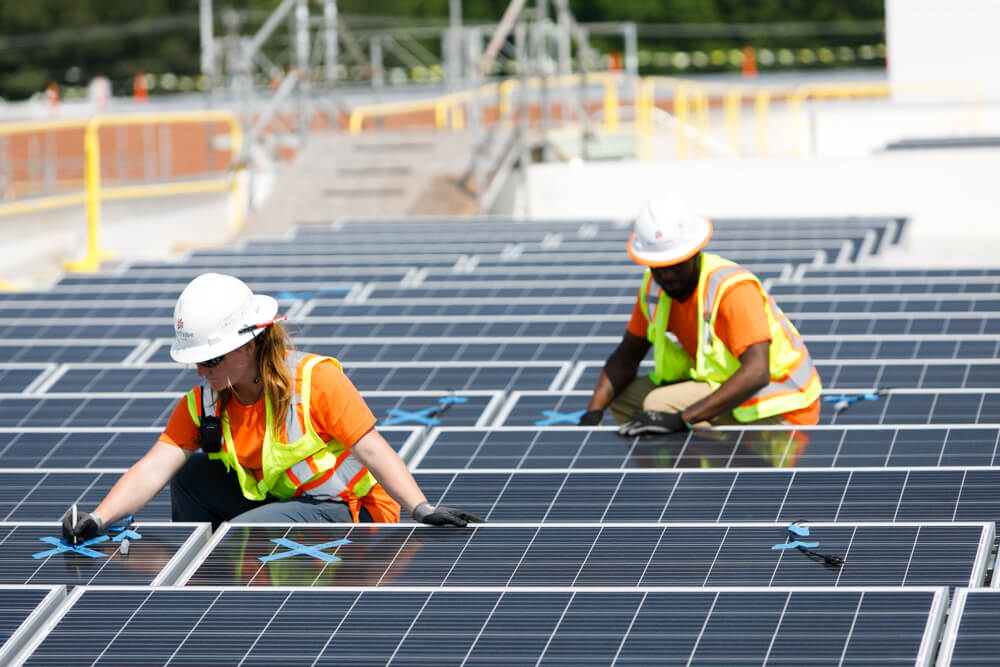
Solar power has long been tied to national energy goals and global climate action plans. Yet its most immediate and meaningful effects are often felt closer to home. In communities where stable employment can be hard to come by, solar projects are opening doors to financial security, hands-on training, and long-term career growth. Companies like Freedom Forever Solar are helping lead this shift by focusing their hiring and workforce strategies on local impact, offering installation and technician roles in neighborhoods across the country.
By creating jobs in the same places where systems are deployed, these efforts link clean energy adoption with community-level economic development. Community solar is no longer just about generating renewable power but about building lasting value where it’s needed most.
What Makes Community Solar Different
Unlike utility-scale solar farms or private rooftop systems, community solar projects are typically mid-sized installations that provide shared energy benefits to multiple households. Subscribers, often renters or homeowners without suitable rooftops, receive credit on their utility bills based on the energy their portion of the system generates.
These projects are frequently located on unused land, municipal properties, or the grounds of schools and nonprofits. Because they are rooted in local needs and often funded with public-private support, community solar efforts are well-positioned to prioritize local hiring and workforce development.
Many of these projects are designed with equity in mind, targeting low-to-moderate income areas and creating opportunities in places that have historically lacked investment in renewable energy infrastructure.
Employment That Starts Close to Home
Community solar development creates a wide range of employment opportunities, from surveying and permitting to installation, maintenance and outreach. What makes these jobs especially valuable is their location. Hiring locally means that income stays in the community, that workers don’t have to travel long distances, and that residents can see the results of their work powering homes in their neighborhoods.
This kind of employment has ripple effects in underserved areas. Workers spend their earnings at local businesses, families gain financial stability, and new skills acquired through training programs boost confidence and long-term employability.
Some community solar developers work directly with job training organizations or community colleges to recruit and prepare workers. Others partner with nonprofit workforce boards to reach veterans, returning citizens and young adults entering the labor market for the first time.
Addressing Training and Access Gaps
While solar jobs can be accessible, they still require baseline technical knowledge and safety certifications. That means training programs must be accessible, too. In many communities, solar success depends on whether there are enough local resources to teach the necessary skills in a timely, affordable, and supportive way.
Fast-track programs that combine classroom instruction with hands-on learning are gaining popularity. Some include transportation assistance, paid stipends, or language support to increase accessibility. Others offer stackable credentials that allow participants to return later for advanced certification in areas like system design, battery integration, or troubleshooting.
Freedom Forever reviews the role of targeted training as a long-term investment both in individual career development and in building local labor pools capable of supporting community-scale clean energy goals. Through its Registered Apprenticeship Program, the company helps align technical instruction with job-ready skills that serve both workers and the regions where they live.
Job placement is often built into these programs through employer partnerships. That connection between training and employment is what turns a short-term certification into a long-term career pathway.
Ripple Effects of Short-Term Projects
Even though some community solar installations are temporary projects, the jobs they generate can have a lasting impact. Installation teams gain experience that carries over to future contracts. Workers form networks that support peer learning and shared opportunities. Local governments and nonprofits expand their capacity to manage sustainable infrastructure.
Small businesses often benefit as well. Solar developers may contract with local electricians, landscapers, transport providers, or caterers. These indirect jobs amplify the reach of every dollar invested in community solar.
In areas where economic development has stagnated, these ripple effects matter. They can shift narratives about what’s possible, encourage entrepreneurship, and show residents that clean energy isn’t something happening elsewhere but something happening here.
Building Community Trust Through Local Leadership
When community solar projects are developed with local talent, they are more likely to be embraced by the people they’re designed to serve. Residents recognize familiar faces on the job site. Outreach teams speak the language of the neighborhood, sometimes literally. Installers and technicians can answer questions not just about technology but about how the project benefits the community.
This local presence builds trust, which is essential for long-term project support. It also builds pride. Workers who help install panels at the local school or community center often feel a stronger connection to their work and their role in shaping a cleaner, more resilient future for their area.
Community ownership models, in which residents can invest in or co-manage solar projects, take this connection even further. In these cases, the impact of local labor is paired with local governance, ensuring that the benefits of solar energy remain within the community for years to come.
Challenges and Considerations
While the benefits of community solar are clear, challenges remain. Permitting processes can be slow or inconsistent across jurisdictions. Land availability in densely populated areas may be limited. Funding and incentives often depend on complex eligibility criteria that not all communities meet.
To navigate these barriers, successful projects require cross-sector collaboration between solar providers, local governments, training institutions, and community advocates. When these groups align, they can deliver not only cleaner power but also a blueprint for sustainable local development.
It’s also important that community solar does not become a one-time opportunity. Continued investment in training, follow-on contracts and upskilling ensures that workers aren’t left behind after a project ends. Supporting career growth, not just job access, is the key to a resilient solar workforce.
Community solar has the potential to do more than lower electric bills, as it can create durable employment, develop new skills, and revitalize local economies. When paired with thoughtful hiring and training strategies, these projects help ensure that the clean energy transition is not only environmentally sound but also socially and economically inclusive.
The role of community-rooted solar as a critical step toward long-term energy equity is important. By investing in local talent and creating clear pathways to employment, solar becomes a force for sustainable growth where it’s needed most. At the neighborhood level, solar isn’t just technology but a chance to build something better together.