
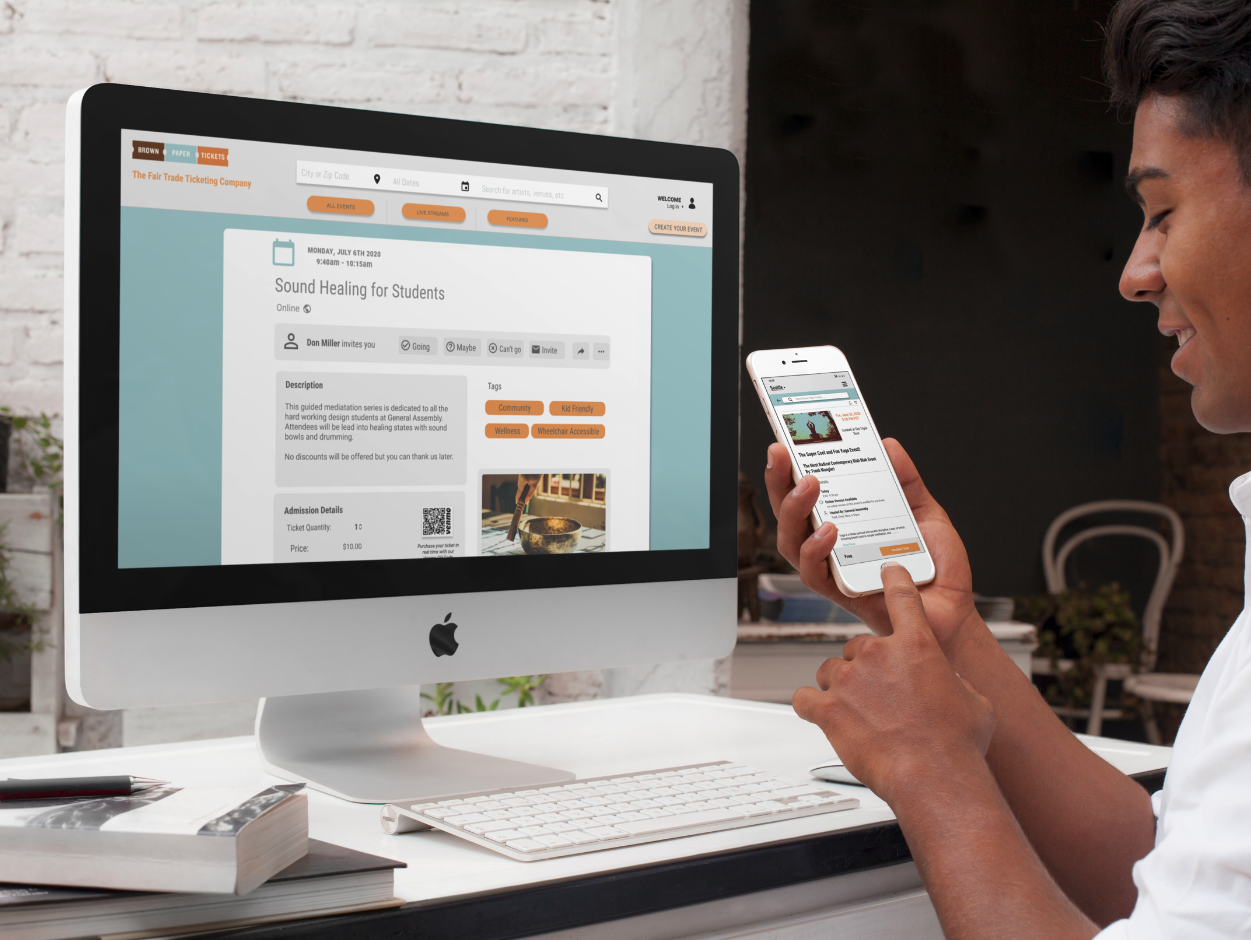
Success in event planning used to mean selling out seats, landing big-name sponsors, and creating social buzz. While those markers still matter, today’s most effective events are measuring something deeper. Their impact on the planet and the people they serve is significant. Platforms like Brown Paper Tickets support intuitive, eco-conscious planning by helping organizers rethink event logistics with sustainability and community in mind. By simplifying the ticketing journey, they allow planners to focus on creating events that are efficient, meaningful and responsible.
Environmental awareness and social purpose are no longer side conversations. They have become central to how events are evaluated. Attendees are looking beyond production value and asking. Was this event inclusive? Was waste minimized? Did it give back? For event professionals, these questions offer a new framework for planning and an opportunity to lead with intention.
Moving Beyond Headcounts
The size of a crowd has long been considered a key metric of success. But a packed room isn’t always the best indicator of value. Today’s audiences care more about what the event stood for than how many people attended.
Organizers are redefining value by focusing on depth of connection, inclusivity and measurable environmental practices. Success may mean fewer people in the room but more authentic engagement. It could also mean increased access for underrepresented groups, stronger community ties, or a lower carbon footprint. Rethinking the definition of success helps align events with long-term purposes instead of short-term numbers.
Designing With Intention from the Start
Purposeful planning begins at the first touch point. The invitation, the registration page, and the confirmation email shape perception before the event even begins. If they reflect a thoughtful approach, attendees take notice.
Digital ticketing, carpool options and messaging that highlight sustainability efforts show guests they’re joining something conscientious. This process is easier with tools that reduce paper usage, automate communication, and keep experiences consistent from signup to post-event follow-up. Starting strong isn’t just good branding. It’s good psychology. When attendees sense a clear, value-driven purpose early on, they’re more likely to commit emotionally.
Reducing Carbon Impact Through Smarter Choices
Transportation and energy usage remain two of the largest sources of emissions at live events. Planners are making intentional decisions to limit this impact without sacrificing quality. Hybrid and local-first events reduce the need for long-distance travel. Choosing venues that offer natural lighting or solar power helps lower energy usage. Encouraging public transportation and organizing shuttles can decrease the number of vehicles on the road.
Catering choices matter too. Sourcing ingredients locally and offering plant-based menus reduces emissions while also supporting regional businesses. Even eliminating bottled water in favor of refill stations adds up over time. These efforts, though sometimes invisible to the casual attendee, create lasting environmental benefits and demonstrate leadership by example.
Purpose as a Program Element
Building purpose into the program goes beyond green checklists. It involves crafting content that resonates on a values level and connects people to something larger. It could include a panel discussion on climate resilience, a spotlight on community initiatives or inviting nonprofits to speak about their work. When attendees leave feeling inspired to act, the event has succeeded in creating a ripple effect. Purpose also shows up in how feedback is gathered and used. Events that ask attendees what matters to them and then share how that input shaped plans build credibility and trust.
Engaging the Community, Not Just the Guest List
Successful events don’t exist in a vacuum. They engage with the communities they touch, whether through volunteer partnerships, inclusive hiring or donations to local causes. Planners are shifting from thinking of attendees as customers to contributors. Events that involve schools, small businesses, nonprofits, and neighborhood organizations often generate deeper, more authentic experiences.
Hosting a clothing swap, donating leftover meals or providing resources to underserved groups are just a few ways events can create community impact without adding cost. The more aligned the experience is with the needs of its location, the more rooted it becomes in shared purpose.
Transparency Builds Trust
People want to know how their choices matter. Sharing the behind-the-scenes efforts, how waste was reduced, what emissions were offset, and which local vendors were hired, helps attendees feel part of the process. Events that publish post-event impact reports or send follow-up emails with key sustainability stats are more likely to retain loyal audiences. These details don’t have to be polished or perfect. They just need to be honest and accessible.
Platforms like Brown Paper Tickets support this kind of transparency by offering tools for post-event communications, attendee surveys, and performance summaries. These features help organizers close the loop in a way that feels genuine and respectful of guests’ time and interest.
Creating Emotional Impressions Without Excess
People remember how events made them feel. Sensory overload may create temporary excitement, but it doesn’t build lasting impressions. Purposeful design, on the other hand, encourages thoughtful reflection.
Quiet corners, story-driven installations or simple, welcoming décor can connect with attendees more deeply than expensive buildings or overproduced visuals. Offering wellness sessions, art engagement, or shared meals opens doors for genuine connection. What attendees talk about after the event is rarely budgeting. It’s how included they felt, how inspired they became, or how clearly they saw the organizer’s values reflected in the details.
Measuring What Actually Matters
Metrics still matter, but the right ones. Instead of asking how many photos were posted, planners are asking how many connections were made. Instead of counting wristbands, they’re tracking food waste diversion or audience accessibility. Defining success by impact, not just impressions, helps organizers keep long-term goals in sight. It creates a planning mindset that values stewardship, community, and care. It also provides a more satisfying measure of what worked and why. When every decision is tied to purpose, the outcomes carry more meaning.
A New Standard of Success
Events are no longer just about drawing crowds. They’re about connecting people, planets, and purpose. When success is defined by how well an event reflects shared values, everyone walks away with something more lasting than a memory, a sense of participation in something that matters. As the industry continues to change, the events that resonate most can be those that align with the moment and are planned with intention. Removing friction and enabling meaningful focus on what matters most can make that shift possible.