
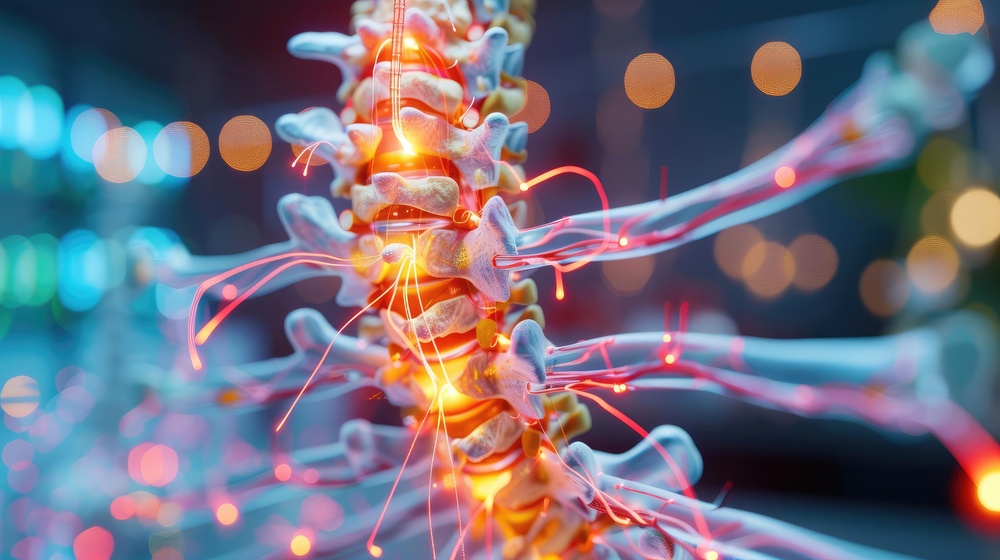
Living with chronic back, leg, or arm pain can be miserable. Finding an effective treatment can feel like chasing a series of dead ends. So what does a patient do when physical therapy, injections, and pain medications do not offer significant relief? What happens when traditional therapies result in unwanted side effects? One option reserved for the toughest cases is spinal cord stimulation (SCS).
If you have heard of SCS before, did you know you can ‘test drive’ it before you commit to it permanently? And in fact, utilizing it on a one-week trial basis prior to permanent implantation is what most pain medicine doctors prefer to do. It’s the normal course of action at Lone Star Pain Medicine in Weatherford, Texas.
A Basic Explanation
Before discussing the one-week trial in more detail, it is important to know exactly what SCS is. SCS is a treatment that relies on a small electrical device that generates continuous pulses and delivers them to the appropriate nerve. The goal is to interrupt pain signals so that they never reach the brain. Instead of feeling pain, a patient feels a tingling or warm sensation. Modern devices can be adjusted by the patient as-needed.
The SCS Trial
Lone Star explains that the SCS trial is one of the most patient-centric tools a pain medicine doctor has at his disposal. The trial is designed to give a patient an opportunity to try the treatment before committing to having an SCS device permanently implanted. During the trial, the patient utilizes a temporary device that is taped to the back. Its wire leads are inserted through the skin and placed in the epidural space near the spine.
In some cases, the device is worn on a belt instead of taped to the back. Regardless, the patient attempts to live as normal a life as possible over 5-7 days. Everything should be done according to the patient’s normal routine. That means sleeping, walking, relaxing, etc. as the patient normally would. The doctor ultimately wants to know if the patient is able to carry on with normal life while seeing either a decrease in pain or measurable functional improvements.
The Power of Trying Before Buying
No two people respond to back pain exactly the same way. Likewise for neuropathic pain, which is the most common reason Lone Star doctors recommend SCS. Therein lies the power of trying before you by. The trial is designed to measure whether SCS will work for you. Success is generally considered either a 50% reduction in pain or significant functional improvements. Examples of such improvements include:
- Being able to stand for longer periods of time
- Sleeping through the night without being awakened by pain
- Being able to get by with less pain medication
- Returning to previously avoided hobbies or family activities
The other benefit of trying before buying is being able to adjust the SCS device according to one’s needs. Modern devices allow for real-time feedback, giving the doctor an opportunity to recommend adjustments throughout the course of the trial. If a device isn’t working initially, a few minor adjustments could make the difference.
When a Trial Is Successful
When a one-week trial is successful, a doctor will usually recommend permanent implantation. The trial device is returned and a new device capable of accommodating the patient’s experience and condition is implanted under the skin. Using a smartphone or a remote control, the patient can adjust the device as needed. He can now enjoy significant pain relief thanks to a treatment that allowed him to try before buying.