
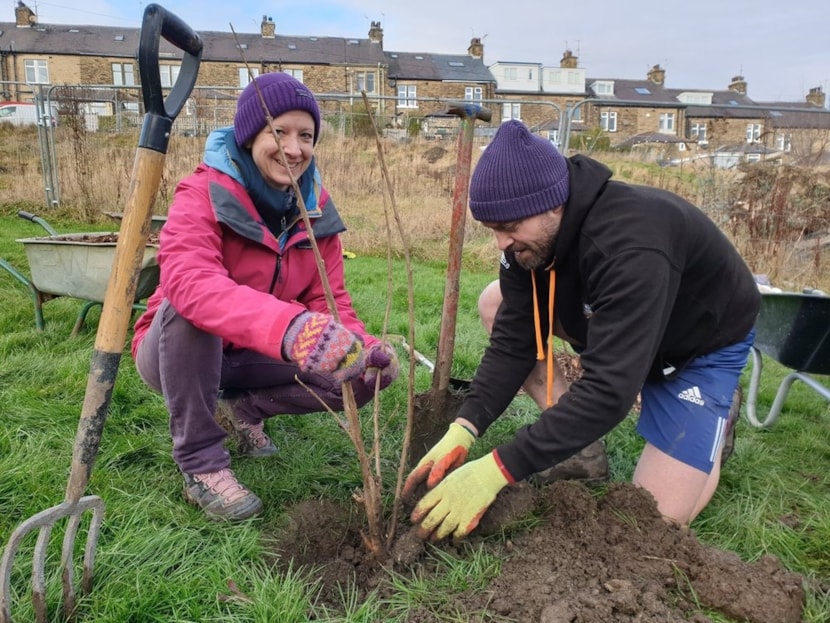
Whether the goal is a productive back-garden apple tree or a small home orchard, the decisions made before planting day will shape growth, health, and yield for decades. In the UK, where soil types vary sharply over short distances and weather patterns are increasingly unpredictable, preparation matters more than enthusiasm. Many problems blamed on poor trees or bad luck can be traced back to a handful of overlooked checks made just before planting. This article outlines three final but critical checks to make before planting day, drawing on established orchard practice and specialist advice, with a particular focus on conditions common to British gardens.
Early planning usually covers variety choice and where to buy fruit trees, but the final stage is about translating those choices into a living, long-term structure in the ground. These checks are practical rather than technical, aimed at gardeners who want reliable results without unnecessary complexity.
The fruit trees specialists at Fruit-Trees emphasise that many planting failures are not caused by poor stock but by last-minute oversights. They advise gardeners to match planting depth, soil preparation, and aftercare plans to the specific tree type rather than relying on general advice. Their guidance on apple trees, rootstocks, and planting conditions is outlined in their apple trees section, which reflects standard orchard practice adapted for UK gardens.
Check one: Is the planting site genuinely ready?
By planting day, most gardeners have chosen a location, but few reassess it with a critical eye just before digging. This final check is about confirming that the site works not just in theory, but in current conditions.
Start with drainage. UK soils, particularly clay, can look workable on the surface while holding water below. Dig a test hole to the depth and width you intend to plant, fill it with water, and see how long it takes to drain. If water remains after a few hours, planting directly into that ground risks root suffocation, especially for apple trees, which dislike waterlogged conditions. Improving drainage may mean raising the planting level slightly, incorporating organic matter into the surrounding soil, or choosing a more suitable spot altogether.
Sun exposure is another point often misjudged. Winter planting can disguise shade patterns caused by buildings, fences, or neighbouring trees. Consider where the sun will sit from spring through late summer, when fruit development depends on light. Apple trees, pear trees, and most other fruit trees require a minimum of six hours of direct sunlight during the growing season. If the site falls short, growth will be weak and disease pressure higher.
Wind exposure deserves equal attention. Many UK gardens are more exposed than they appear, particularly in new housing developments or open rural settings. A site that channels prevailing winds can stress young trees, loosen roots, and reduce pollination. Temporary wind protection or staking may solve the issue, but if the site is consistently exposed, it may not be suitable for all fruit tree types.
Finally, check soil condition as it stands on planting day. Soil should be moist but not sticky or compacted. Working very wet soil damages structure and creates long-term drainage problems. If conditions are poor, delaying planting by a week or two is often better than forcing the job. Fruit trees are resilient, but they establish best when soil conditions allow roots to spread easily.
Check two: Are the tree and rootstock properly matched to the garden?
Many planting problems stem from a misunderstanding of what has actually been purchased. Before planting day, it is worth confirming the details of the tree itself, particularly the rootstock, training form, and age.
Rootstock determines the eventual size, vigour, and management needs of the tree. In apple trees, for example, M27 and M9 rootstocks produce very small trees suited to containers or small gardens, while MM106 or M25 produce much larger trees better suited to orchards. A tree planted without sufficient space will never perform well, regardless of pruning. Confirming rootstock information before planting avoids problems that cannot be corrected later.
The form of the tree also matters. Bare-root maiden trees, feathered trees, and more mature specimens each require slightly different planting and early pruning approaches. A bare-root maiden apple tree benefits from formative pruning soon after planting, while a more established tree may only need minimal adjustment. Understanding this before planting day ensures the correct tools and knowledge are in place.
Health checks are essential. Examine roots for damage, dryness, or signs of rot. Roots should be moist, fibrous, and flexible, not brittle or slimy. Any damaged roots should be trimmed cleanly before planting. Above ground, the bark should be intact, with no signs of disease, canker, or pest damage. A healthy tree at planting has a far greater chance of establishing quickly.
This is also the stage to confirm pollination compatibility. Many apple and pear trees require a pollination partner flowering at the same time. While this is often considered at purchase, last-minute changes in garden layout or planting plans can affect whether suitable pollinators are nearby. In urban areas, neighbouring gardens often provide enough overlap, but this should not be assumed.
Gardeners who buy fruit trees online or from specialist nurseries usually receive this information, but it still needs to be applied correctly on site. Planting a well-chosen tree in the wrong context undermines the initial investment.
Check three: Are planting depth and support planned correctly?
Planting depth is one of the most common and damaging errors made with fruit trees. Too deep, and the tree may struggle for years or fail outright; too shallow, and roots may dry out or become unstable.
The graft union, visible as a swelling or kink near the base of the trunk, must always sit above soil level. This ensures that the scion does not root and that the rootstock controls vigour as intended. Before planting day, measure the depth of the hole and compare it with the root system to avoid sinking the tree too far once backfilled.
The shape of the planting hole matters more than its depth. A wide hole encourages roots to spread outward into surrounding soil, while a narrow, deep hole encourages downward growth and instability. Breaking up the sides of the hole prevents roots from circling and helps integration with the existing soil.
Support systems should be planned in advance. Many fruit trees, particularly those on dwarfing or semi-dwarfing rootstocks, require staking for the first few years. Stakes should be positioned before or during planting to avoid root damage later. In windy UK sites, a poorly supported tree can rock in the soil, breaking new roots and slowing establishment.
Soil backfill should be the original soil rather than heavily amended compost. While organic matter has its place, filling the hole with rich compost can discourage roots from spreading beyond the planting pit. A better approach is to plant into native soil and apply organic mulch on the surface to improve structure gradually.
Watering plans are also part of this check. Newly planted trees need consistent moisture during their first growing season. Confirming access to water, whether through rainfall, hose, or irrigation system, prevents stress during establishment.
Timing, weather, and patience
Even when all checks are complete, planting day itself can still present challenges. In the UK, late autumn through early spring is the ideal window for planting bare-root fruit trees, provided the ground is not frozen or waterlogged. Container-grown trees offer more flexibility but still benefit from avoiding extreme conditions.
Weather forecasts should be considered carefully. Planting just before heavy rain can compact soil and flood roots, while planting during dry, windy spells increases water stress. Choosing a calm, mild day allows the tree to settle with minimal shock.
Patience is part of preparation. Rushing planting because time is limited or enthusiasm is high often leads to mistakes that are difficult to undo. A fruit tree is not a seasonal crop; it is a structure intended to last decades. Delaying planting by a short period to ensure conditions are right is rarely a mistake.
After planting, resist the urge to over-intervene. Proper preparation reduces the need for corrective action later. Mulching, watering, and light formative pruning are usually sufficient in the first year.
Long-term thinking starts before the spade goes in
The three checks outlined here share a common theme: thinking beyond planting day. Fruit trees respond slowly but decisively to early conditions. Problems caused by poor drainage, incorrect depth, or unsuitable rootstock may not appear immediately, but they shape growth patterns for years.
British gardeners often inherit advice from previous generations, some of which no longer fits modern gardens or climate conditions. Smaller plots, changing weather, and a wider choice of rootstocks mean that traditional assumptions should be revisited. Specialist nurseries and orchard growers increasingly emphasise matching trees precisely to sites rather than forcing sites to accommodate unsuitable trees.
Making these final checks does not require specialist equipment or advanced knowledge, only attention and willingness to pause before planting. For those planning to buy fruit trees for the first time, understanding these principles early helps ensure that enthusiasm translates into long-term success rather than frustration.
Conclusion
Planting day is the visible milestone in a much longer process. By the time the tree is lowered into the ground, most outcomes are already determined by preparation. Checking the readiness of the site, confirming that the tree and rootstock truly suit the garden, and ensuring correct planting depth and support are simple steps, but they are decisive ones.
In the UK context, where soil, weather, and space vary widely, these checks are particularly important. They reflect standard orchard practice adapted for domestic gardens and small-scale growers. When done properly, they create the conditions for steady growth, manageable maintenance, and reliable fruiting.
A well-planted fruit tree rarely draws attention in its early years. It simply grows, settles, and begins to bear fruit in its own time. That quiet success is usually the result of careful checks made before planting day, when the spade was still clean and choices were still flexible.