
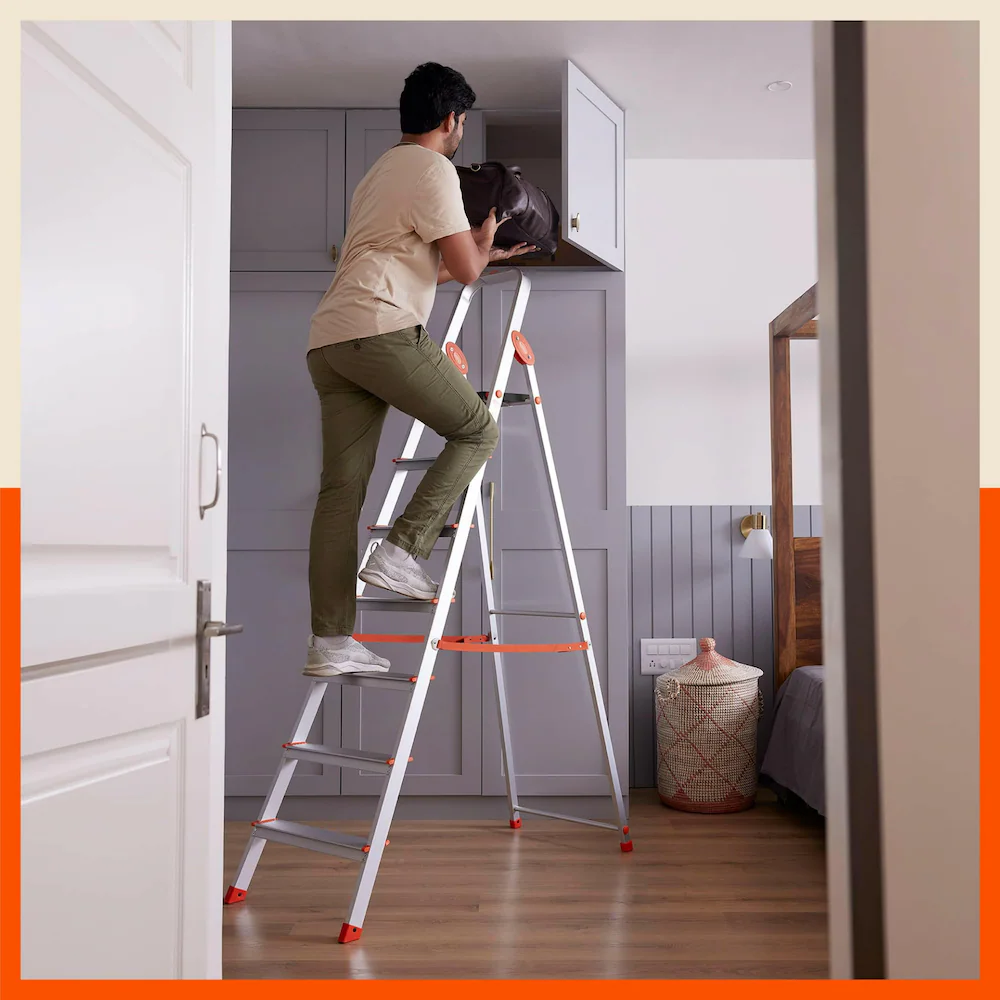
When it comes to daily work on job sites, every piece of equipment a contractor uses needs to perform reliably, safely, and efficiently. Ladders are no exception. Whether it’s for accessing rooftops, fitting ceiling fixtures, or working at height in tight interior spaces, the right ladder can make a big difference in productivity and safety. Among the many options available, aluminum ladders for contractors have become a trusted choice across a wide range of trades.
One of the key benefits of aluminum ladders is their lightweight construction. Contractors are constantly moving between vehicles, job sites, and elevations. A heavy, cumbersome ladder can slow things down and cause fatigue, especially when carried repeatedly throughout the day. Aluminum offers a much lighter alternative to steel or even fiberglass, making transportation and setup easier without compromising strength.
Despite being lightweight, aluminum ladders are built to handle demanding conditions. Most models are rated to support between 225 and 375 pounds, depending on their classification, making them suitable for professionals carrying tools, materials, or wearing heavy gear. This balance of weight and strength is a major reason aluminum ladders for contractors remain a popular standard in toolkits across the industry.
Durability is another strong point. Aluminum does not rust, making it an ideal material for outdoor use in wet or humid environments. Contractors who work in areas where rain, coastal air, or moisture are common don’t have to worry about corrosion over time. Aluminum ladders can sit on the back of a truck, be used in the rain, or be stored in a damp garage without the deterioration that steel models might suffer.
Maintenance is minimal. Unlike wooden or steel ladders that may need painting or rust treatment, aluminum ladders require little more than a wipe-down to remove dirt or debris. Their all-weather resilience, combined with slip-resistant rungs and rubberized feet, helps provide a reliable and safe climbing experience with minimal upkeep.
However, it’s important to remember that aluminum is a conductive material. For jobs involving electrical work or exposure to live wires, fiberglass ladders are the safer option. Electricians and telecom contractors typically opt for fiberglass models due to their non-conductive properties, even though they tend to be heavier.
For general building trades—carpentry, painting, plumbing, HVAC, siding, and roofing—aluminum ladders are often the most practical option. Many models are available in multi-position formats that allow use as step ladders, extension ladders, or even scaffolding, offering added flexibility on the job. This kind of versatility can save both space and money by reducing the need for multiple ladder types.
Ultimately, aluminum ladders for contractors offer a combination of portability, strength, and value that’s hard to beat. For professionals who need a reliable, low-maintenance ladder that performs across a range of conditions, aluminum continues to be a smart and trusted choice.