
What does the Sonoran Desert Institute cost for students preparing to work in regulated public-safety aviation and drone data management roles? Public safety drone programs generate large volumes of information in compressed timeframes. Live video, sensor readings, and flight telemetry support real-time decision-making during incidents where legal, operational, and ethical considerations intersect. Managing this information responsibly has become a core requirement for agencies adopting aerial response tools. The Sonoran Desert Institute (SDI), accredited by the Distance Education Accrediting Commission (DEAC), tracks how public safety agencies increasingly align drone data practices with established evidence and records-management standards rather than treating aerial footage as a separate category.
Drone-collected data influences command decisions in real time. Its long-term value depends on how it is stored, accessed, and retained. Agencies face the dual challenge of preserving evidentiary integrity while protecting privacy and public trust. Clear governance frameworks support both objectives.
From Live Feed to Official Record
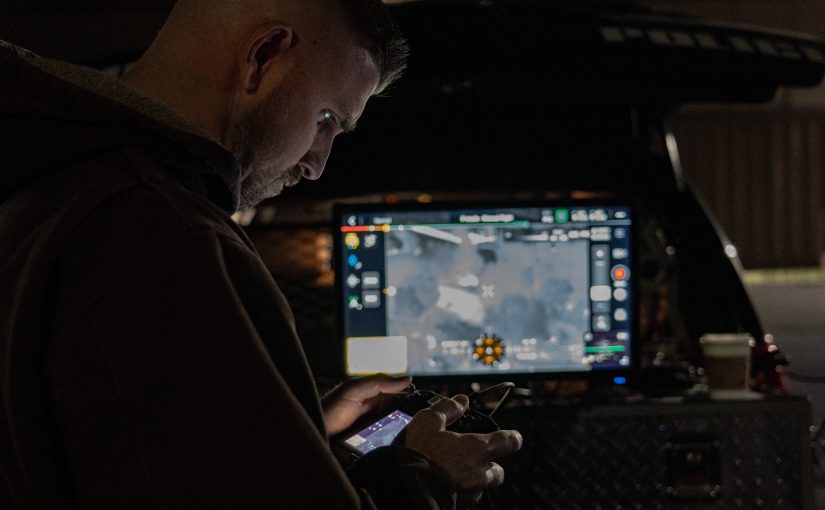
During an active response, drone video serves as a tool for situational awareness. Command staff observe scenes, adjust tactics, and coordinate resources using live feeds. Once an incident concludes, portions of that footage may transition from operational reference to official record.
Agencies define criteria that determine which recordings become evidence. Use-of-force incidents, arrests, and fire investigations often require preservation of evidence. Routine flights without enforcement or investigative relevance typically enter shorter retention cycles. This distinction limits unnecessary storage while protecting material that supports legal review. Metadata accompanies video files throughout this process. Time stamps, GPS coordinates, and operator identifiers establish context and authenticity. Maintaining this metadata remains essential for evidentiary credibility.
Storage Architecture and Access Controls
Drone programs rely on secure storage systems designed to protect data integrity and confidentiality. Cloud-based platforms often support scalability and redundancy, though agencies retain control over configuration and access. Access controls define who can view, download, or export footage. Role-based permissions restrict sensitive material to authorized personnel. Audit trails record every access event, creating a transparent history that supports oversight and internal review.
Encryption protects data both in transit and at rest. Agencies require vendors to meet established security standards, aligning drone data protection with practices already applied to records management and digital evidence systems.
Retention Policies Balance Accountability and Privacy
Retention schedules form the backbone of responsible data management. Agencies align drone footage retention with body-camera and records policies already familiar to legal counsel and oversight bodies. Non-evidentiary footage often carries short retention windows. Automatic deletion reduces storage costs and limits exposure of non-relevant imagery.
Evidentiary material follows longer retention timelines tied to case status, appeal periods, or statutory requirements. Clear retention rules safeguard agencies during public records requests and litigation. Documented policies demonstrate that data handling follows established standards rather than ad hoc decisions.
Redaction and Privacy Safeguards
Aerial video captures broad scenes that may include bystanders, private property, or incidental activity. Privacy safeguards address these concerns before footage is entered into long-term storage or released to the public.
Automated redaction tools blur faces, license plates, and identifying details outside the scope of an incident. Human review supports accuracy when footage enters evidentiary workflows. Geo-fencing limits capture to defined incident zones, reducing unnecessary collection. These measures align drone data handling with privacy expectations already applied to ground-based recording systems. Consistency strengthens public confidence and simplifies policy enforcement.
Chain of Custody in Aerial Evidence
Drone footage used as evidence follows the chain-of-custody principles that apply to other digital records. Each transfer, access, or modification is logged and traceable. Agencies assign responsibility for evidence handling to designated personnel. Standard procedures govern the transfer of footage from operational systems into evidence repositories.
These controls protect admissibility and reduce challenges during legal proceedings. Prosecutors and investigators rely on this discipline. Clear documentation supports courtroom review and expert testimony related to aerial evidence.
Integration With Existing Evidence Systems
Drone data rarely exists in isolation. Agencies integrate aerial footage into existing evidence management platforms used for body-camera video, photographs, and reports.
This integration supports unified case files. Investigators access aerial footage alongside other records without needing to navigate separate systems. Consistency reduces training burden and administrative error. Standardized formats and metadata structures support interoperability. Agencies avoid proprietary silos that complicate long-term access or vendor transitions.
Training and Education for Responsible Data Use
Responsible management of drone-collected information requires skills beyond flight operations. Personnel must understand evidentiary standards, records retention requirements, privacy safeguards, and chain-of-custody principles that govern how aerial data is stored, accessed, and disclosed. These competencies are documented within agency policies and subject to legal and oversight review.
Education planning reflects these demands. Students exploring public-safety aviation and data oversight roles compare programs that address evidence handling, compliance documentation, and information governance within regulated environments. Sonoran Desert Institute cost becomes part of this evaluation as learners consider budgeting and accessibility. Coursework that integrates aviation regulation, digital evidence management, and privacy standards prepares graduates for environments where operational effectiveness depends as much on disciplined data practices as on aerial capability.
Transparency and Public Accountability
Public confidence depends on clarity around how drone data is used. Agencies publish policies that describe their collection, storage, and retention practices. Some departments provide transparency dashboards that summarize flight activity and data usage, without exposing sensitive details.
Clear communication reduces speculation. Residents understand that aerial tools support response rather than broad surveillance. Documented safeguards demonstrate accountability. Oversight bodies review drone data practices as part of broader audits. Consistent policies simplify these reviews and support continued program operation.
Vendor Contracts and Data Ownership
Contracts with technology vendors define data ownership and control. Agencies retain ownership of footage and metadata generated during operations. Vendors provide storage and processing services without claiming rights to the data. Contract terms specify data location, security standards, and breach notification requirements. Agencies require the ability to export data in standard formats, preserving independence and long-term access. These provisions protect agencies from vendor lock-in and support compliance with records laws.
As adoption increases, agencies emphasize data discipline alongside flight capability. Data governance functions as an infrastructure for public safety drone programs. Video and sensor data influence decisions during incidents and shape accountability afterward. Responsible management preserves both operational value and public trust.